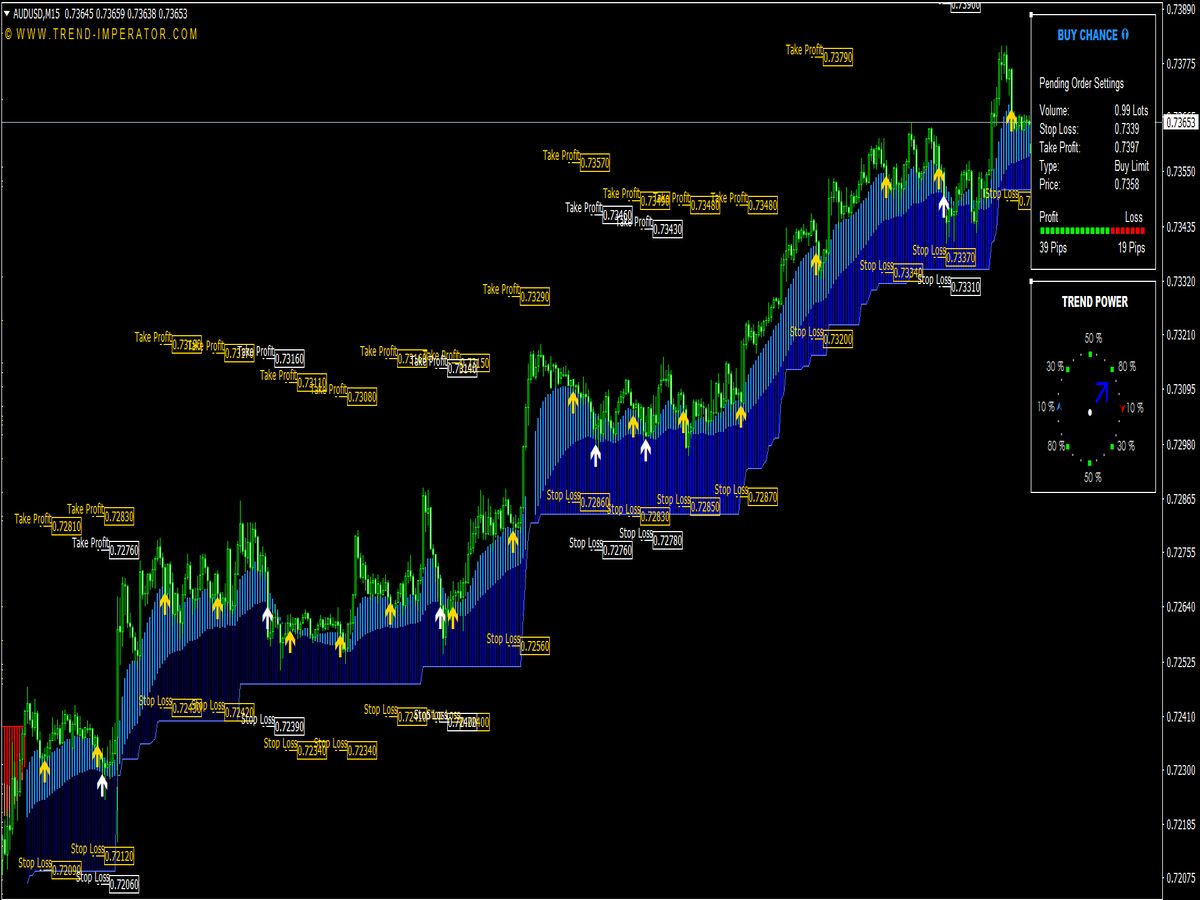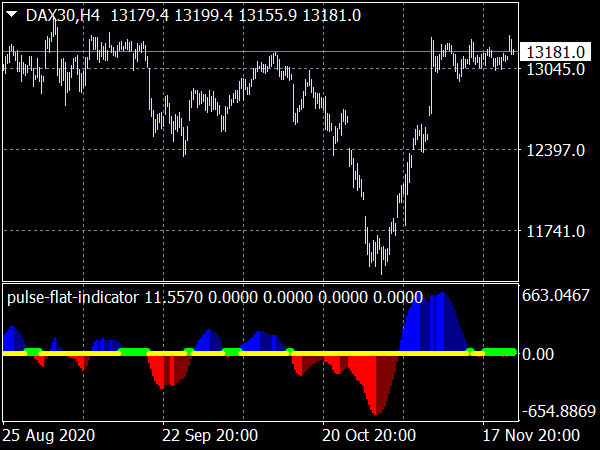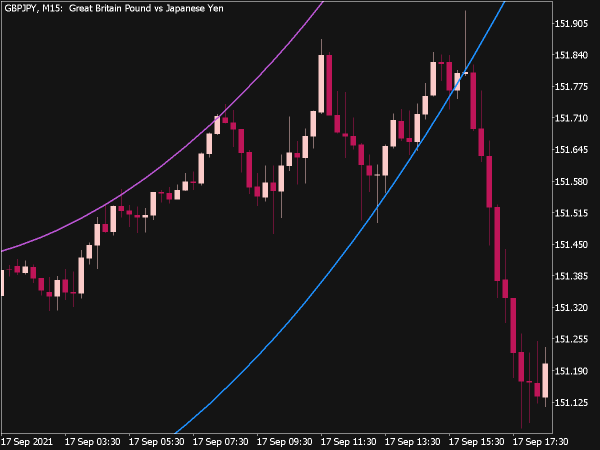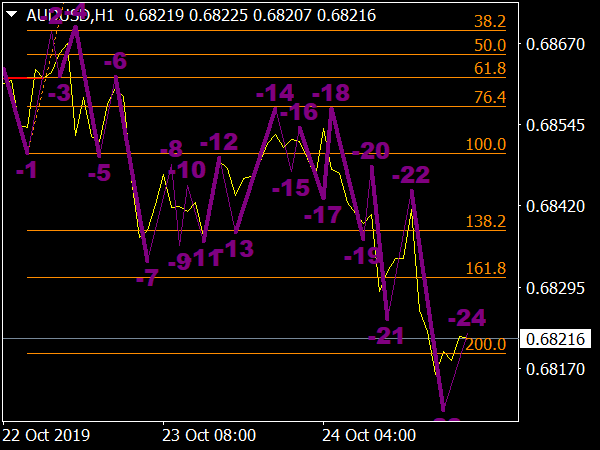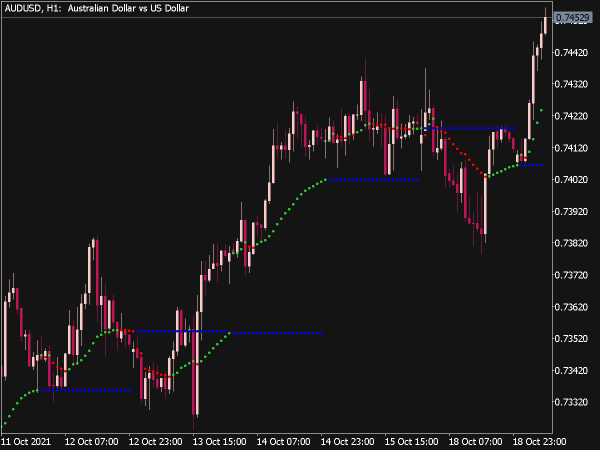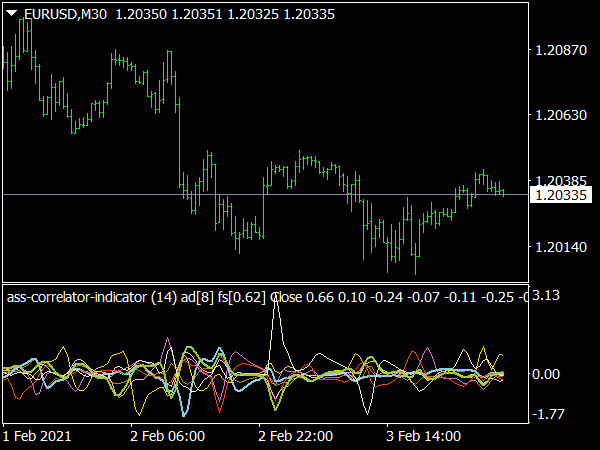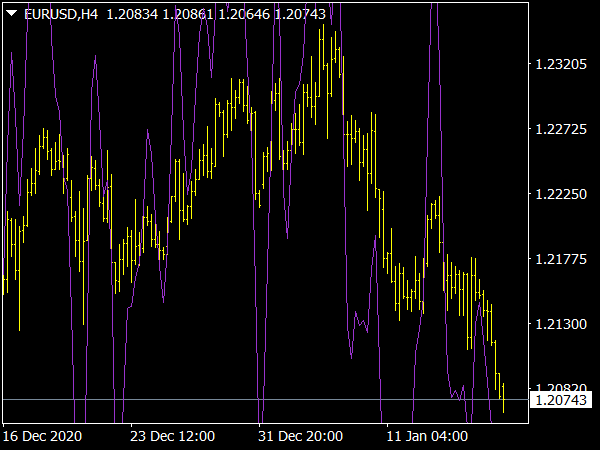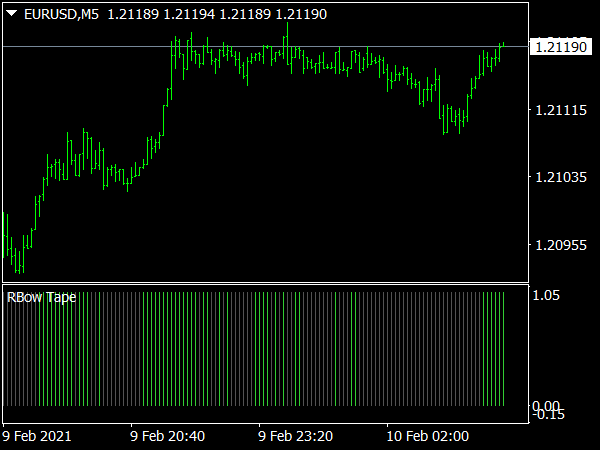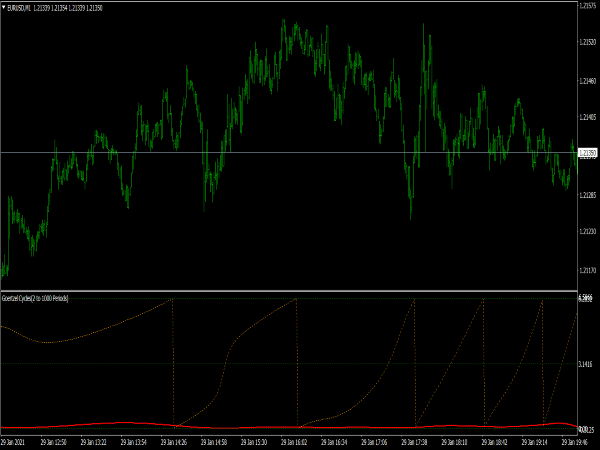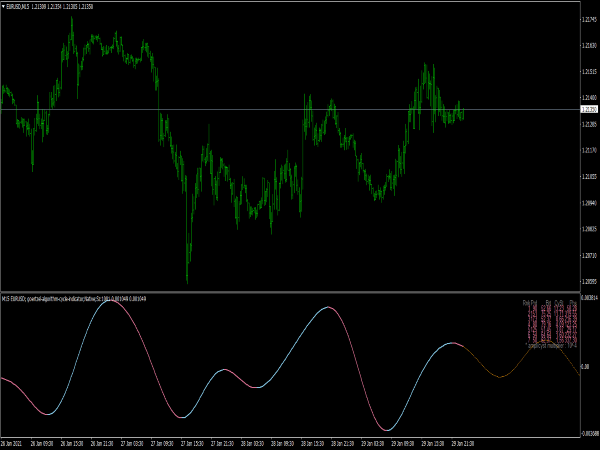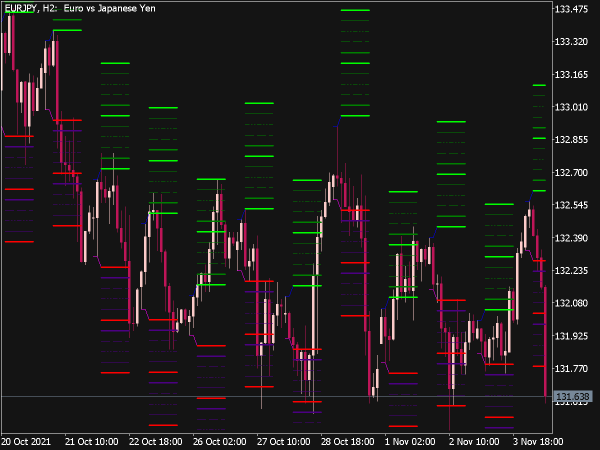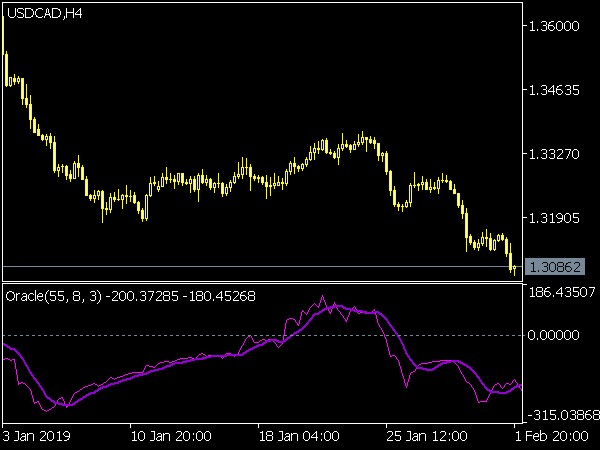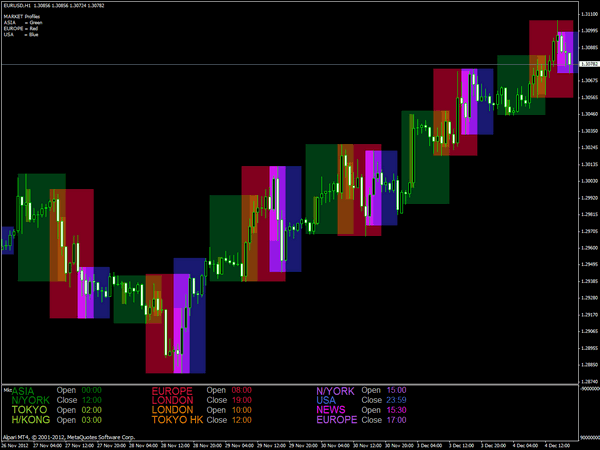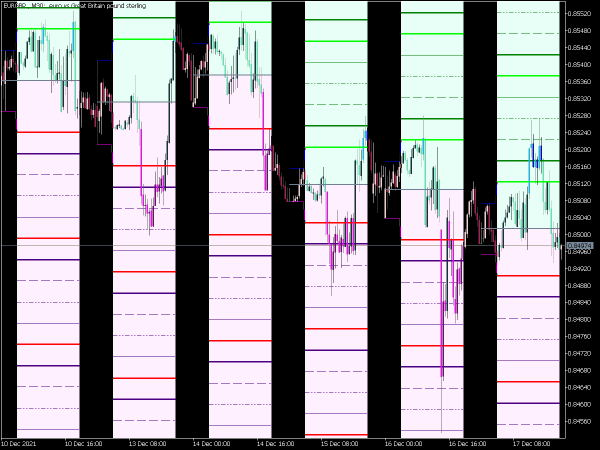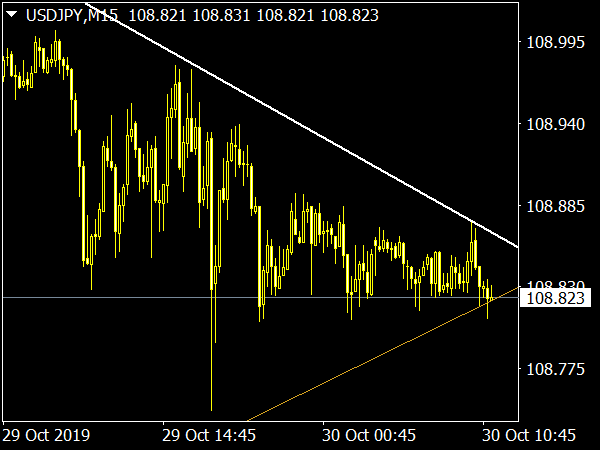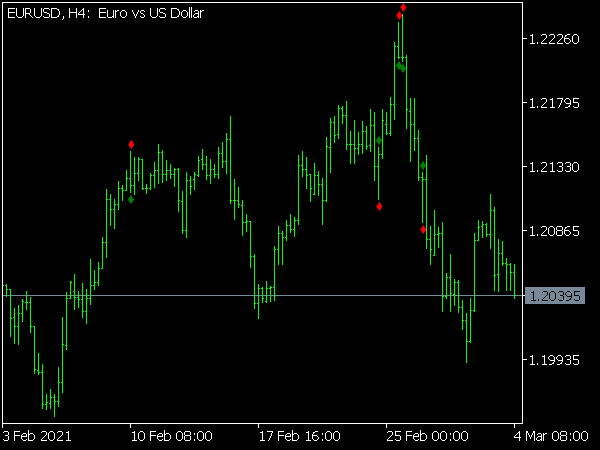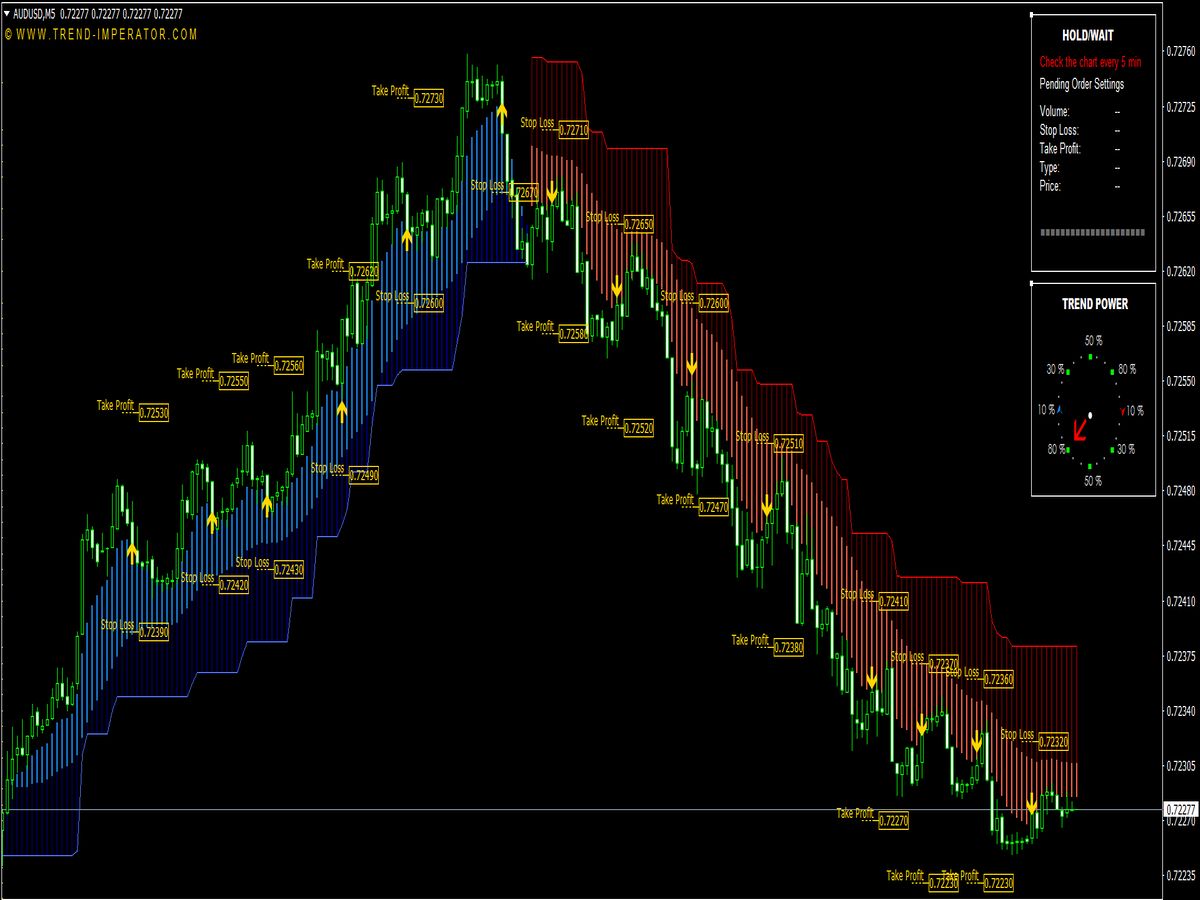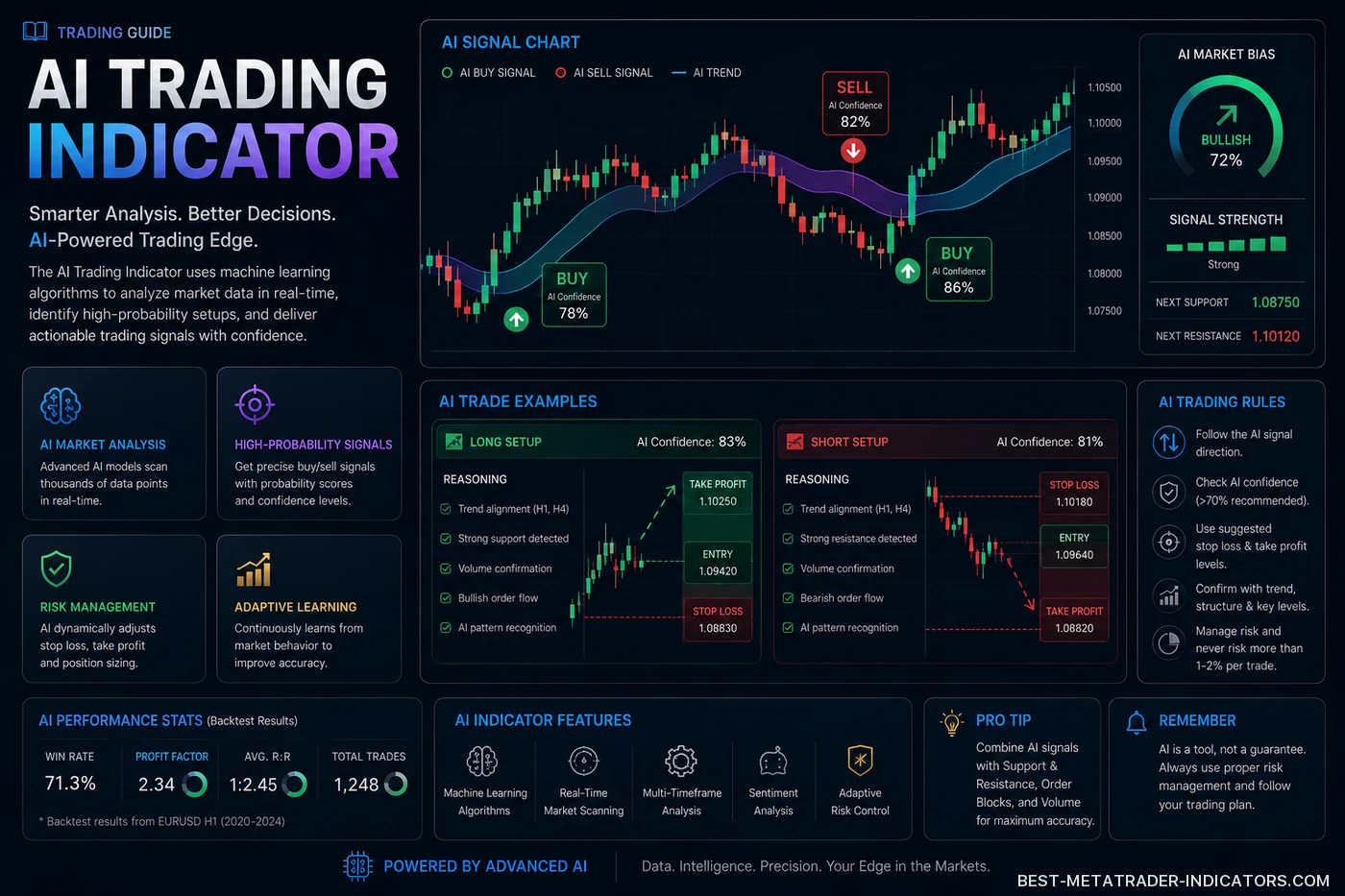
Artificial intelligence is changing how forex traders read price action. From pattern recognition and volatility filtering to momentum scoring and trade selection, an AI trading indicator can help traders process chart information faster than traditional tools alone.
But after more than two decades around live markets, one lesson has not changed: no indicator, algorithm or artificial intelligence model can replace discipline, risk management and screen time. AI can sharpen your process, but it should never become your autopilot.
📌 What Is an AI Trading Indicator?
An AI trading indicator is a market analysis tool that uses artificial intelligence, machine learning, statistical models or adaptive algorithms to identify possible trading opportunities. Unlike a classic moving average or RSI, an AI-based indicator may adjust to historical price behavior, volatility shifts, momentum changes, volume patterns or multi-timeframe market structure.
In forex trading, these indicators are often used to analyze currency pairs such as EUR/USD, GBP/USD, USD/JPY, AUD/USD or XAU/USD. They may generate signals for trend direction, entry zones, exit areas, market strength or probability-based setups.
Trader’s note: The best use of AI is not to predict every pip. It is to filter noise, highlight probability and support better decisions when the chart starts moving quickly.
⚙️ How AI Trading Indicators Work
Most AI indicators combine several layers of technical analysis. Instead of relying on one fixed formula, they evaluate changing market behavior and adapt their output as new price data comes in.
Price Pattern Recognition
AI can scan historical and live price action to identify recurring structures, breakouts, reversals, consolidations and momentum shifts.
Machine Learning Models
Some tools train on large chart datasets to estimate probability, detect abnormal conditions or classify market regimes such as trend, range or high volatility.
Technical Context Inputs
Advanced indicators may combine trend strength, volatility bands, support and resistance, liquidity zones and multi-timeframe alignment to support technical trade decisions.
🧭 Why Forex Traders Use AI Indicators
Forex is a fast-moving, highly liquid market where a trader must read trend direction, volatility, session behavior, support and resistance, liquidity sweeps and momentum shifts. AI tools can help organize that technical information into a cleaner decision-making process.
- Speed: AI can scan multiple pairs and timeframes faster than a human trader.
- Objectivity: It can reduce emotional bias when used with clear rules.
- Filtering: It may help avoid low-quality setups during choppy conditions.
- Pattern detection: It can highlight structures that are not obvious at first glance.
- Consistency: It supports a repeatable trading process.
Important: AI indicators are not magic signals. They can still fail during liquidity gaps, spread widening, sudden reversals, false breakouts and abnormal volatility.
📊 AI Indicator vs Traditional Indicator
A practical comparison between classic forex indicators and AI-enhanced trading tools.
| Feature | Traditional Indicator | AI Trading Indicator | Trader’s View |
|---|---|---|---|
| LogicHow signals are generated | Fixed formula such as RSI, MACD or moving average. | Adaptive model using historical and live market data. | AI can adapt better, but must be tested carefully. |
| FlexibilityMarket condition handling | Often performs well only in specific environments. | May classify trend, range and volatility regimes. | Useful for filtering trades. |
| TransparencyEase of understanding | Usually easy to understand and verify. | Can be less transparent depending on the model. | Never trade what you cannot explain. |
| RiskMain weakness | Lagging signals and false breakouts. | Overfitting, data bias and false confidence. | Risk control matters more than signal quality. |
🧩 Best Strategies for Using an AI Trading Indicator
An AI indicator becomes more useful when it sits inside a complete trading plan. Below are practical strategies that experienced forex traders can use without giving up control of execution.
Trend Confirmation Strategy
Use the AI indicator to confirm the dominant trend on higher timeframes, then enter on pullbacks using price action or support and resistance.
- Check the 4H or daily trend first.
- Wait for AI confirmation in the same direction.
- Enter only after a pullback or breakout retest.
- Place stops beyond invalidation levels.
Trade Filter Strategy
Instead of taking every technical setup, use AI as a filter. If your normal strategy gives a buy signal but the AI model shows weak probability, skip the trade.
- Keep your core strategy unchanged.
- Use AI only as a confirmation layer.
- Avoid trades during conflicting signals.
- Track skipped trades in your journal.
Volatility Breakout Strategy
AI can help identify moments when volatility is expanding. This is useful for breakout traders who want to avoid dead markets.
- Look for compression before expansion.
- Confirm momentum with AI signal strength.
- Avoid chasing candles that have already moved too far from the breakout level.
- Use partial profit-taking after fast moves.
Risk-Based Signal Strategy
Do not judge AI signals only by win rate. Focus on risk-to-reward, drawdown, maximum losing streak and position sizing.
- Risk a fixed percentage per trade.
- Use a minimum 1:1.5 or 1:2 reward target.
- Stop trading after a daily loss limit.
- Review performance every 20 to 50 trades.
✅ AI Trading Indicator Checklist
Before using any AI indicator on a live forex account, go through this checklist.
| Checklist Item | Question to Ask | Why It Matters |
|---|---|---|
| Backtesting | Has the indicator been tested across different market conditions? | One good month does not prove long-term reliability. |
| Forward Testing | Has it worked on a demo account in live conditions? | Live spreads, slippage and execution change results. |
| Signal Logic | Do you understand why the signal appears? | Blind trading creates emotional dependence. |
| Risk Rules | Do you know the exact stop loss, target and lot size? | Risk management protects your account from bad signals. |
| Execution Filter | Does your plan avoid poor spreads, thin liquidity and late entries? | AI can still struggle when execution conditions are weak. |
💡 Practical Tips From a Veteran Forex Perspective
- Use AI as a co-pilot, not as the captain. You are responsible for every trade.
- Never increase lot size because a signal looks “smart”. Confidence must come from verified data, not marketing.
- Combine AI with market structure. Support, resistance, trendlines and liquidity zones still matter.
- Avoid over-optimization. A strategy that looks perfect in backtesting may fail badly in live markets.
- Journal everything. Record screenshots, AI signal quality, entry reason, exit reason and emotional state.
- Respect volatility. Sudden expansion, wide spreads and thin liquidity can override even clean technical signals.
- Think in probabilities. No indicator wins every trade. The goal is positive expectancy over a large sample.
Professional approach: The strongest traders do not ask, “Will this AI indicator win the next trade?” They ask, “Does this tool improve my decision-making over the next 100 trades?”
🧪 How to Test an AI Trading Indicator
Testing is where many traders fail. They buy an indicator, see a few winning signals and immediately move to a live account. That is not professional trading. A proper test should include historical review, demo trading and small-size live validation.
1. Historical Review
Scroll back through charts and mark every signal. Check whether the tool performs in trends, ranges, reversals and high-volatility markets.
2. Demo Forward Test
Trade the signals in real time on demo for at least several weeks. Measure win rate, drawdown, average reward and emotional pressure.
3. Small Live Test
If demo results are stable, use very small risk first. The goal is not profit at this stage; the goal is execution validation.
⚖️ Common Mistakes With AI Trading Indicators
- Believing AI means certainty: AI deals with probabilities, not guarantees.
- Ignoring spreads and slippage: Backtest results can look better than real execution.
- Trading every signal: More trades do not mean more profit.
- Using too many indicators: AI plus ten other tools often creates confusion, not clarity.
- No exit plan: Entry signals are useless without stop loss, target and trade management.
- Overleveraging: Even a strong strategy can collapse under excessive risk.
Risk warning: Forex and CFD trading involve significant risk and may not be suitable for every investor. Losses can exceed expectations, especially when leverage is used. Always trade with capital you can afford to lose.
🧠 Ideas for Building an AI-Based Forex Trading Plan
If you want to build a serious plan around an AI trading indicator, start with structure. Do not begin with the signal. Begin with the market condition you want to trade.
| Trading Style | AI Indicator Role | Best Confirmation | Key Risk |
|---|---|---|---|
| Scalping | Short-term momentum and volatility filter. | Spread, session timing and execution speed. | Overtrading and high transaction cost. |
| Day Trading | Intraday direction, breakout quality and signal ranking. | Market structure, session highs and session lows. | Volatility spikes and emotional decision-making. |
| Swing Trading | Trend probability, pullback zones and regime detection. | Daily and 4H support and resistance. | Holding through deep pullbacks without a clear invalidation level. |
| Position Trading | Longer-term trend strength and momentum structure. | Weekly structure, trend continuation and measured risk. | Long drawdowns and premature exits. |
📒 Trading Journal Template for AI Signals
A good journal turns AI trading from guesswork into measurable performance. Use the following fields for every trade.
- Date and session: London, New York, Asian session or overlap.
- Currency pair: Example: EUR/USD, GBP/JPY, USD/CAD.
- AI signal type: Buy, sell, trend confirmation, breakout, reversal or filter.
- Market condition: Trending, ranging, volatile or technically compressed.
- Entry reason: Why did you take the trade?
- Risk amount: Percentage of account risked.
- Result: Win, loss, breakeven, partial profit.
- Lesson: What should be repeated or avoided?
❓ FAQ: AI Trading Indicator
Can an AI trading indicator predict the forex market?
No indicator can predict the market with certainty. AI can analyze technical data and estimate probabilities, but sudden liquidity moves and aggressive order flow can still invalidate signals.
Is AI better than RSI or MACD?
AI may be more adaptive, but traditional indicators are often easier to understand. The best choice depends on your trading strategy, testing process and ability to manage risk.
Can beginners use AI indicators?
Yes, but beginners should first learn basic market structure, risk management, lot sizing and trading psychology. AI should support education, not replace it.
How much should I risk per AI signal?
Many professional traders risk a small fixed percentage per trade. The exact amount depends on account size, experience, strategy performance and personal risk tolerance.
How long should I test an AI indicator?
Test across different market conditions and collect enough trades to evaluate performance. A sample of only five or ten trades is not enough to judge reliability.
What is the biggest danger of AI trading?
The biggest danger is false confidence. Traders may believe the technology is smarter than the market and ignore position sizing, stop losses and discipline.
🏁 Final Thoughts
An AI trading indicator can be a valuable tool for modern forex traders. It can help filter noise, analyze patterns, measure probability and improve consistency. But it is still only one part of a complete trading plan.
The real edge comes from combining AI with market structure, risk management, experience, patience and emotional control. Use artificial intelligence to sharpen your process, not to avoid responsibility.
In professional forex trading, the trader remains the risk manager. AI is only the assistant.
Disclaimer: This article is for educational purposes only and does not provide investment advice, financial advice or a recommendation to buy or sell any instrument. Trading forex and CFDs involves risk. Always make your own trading decisions and use appropriate risk management.