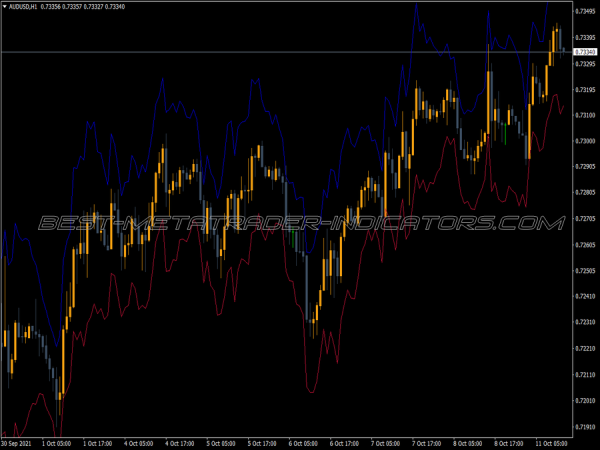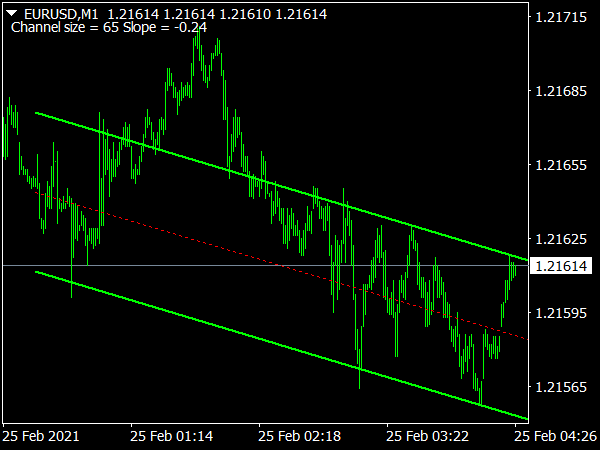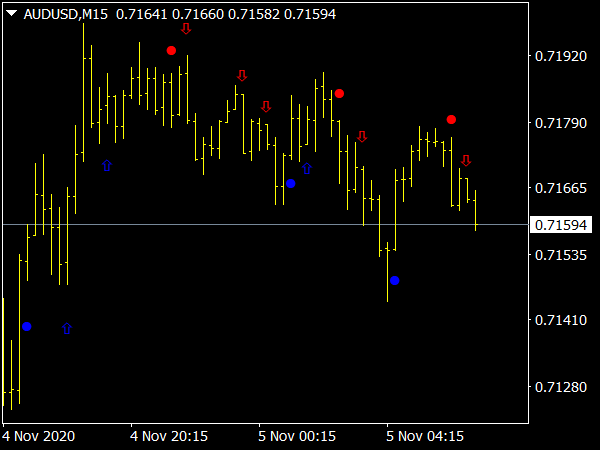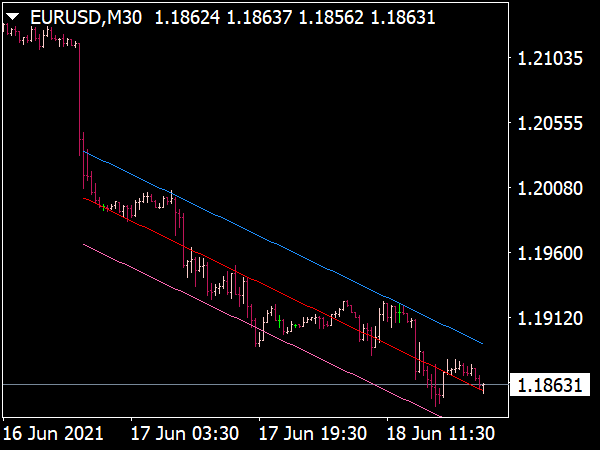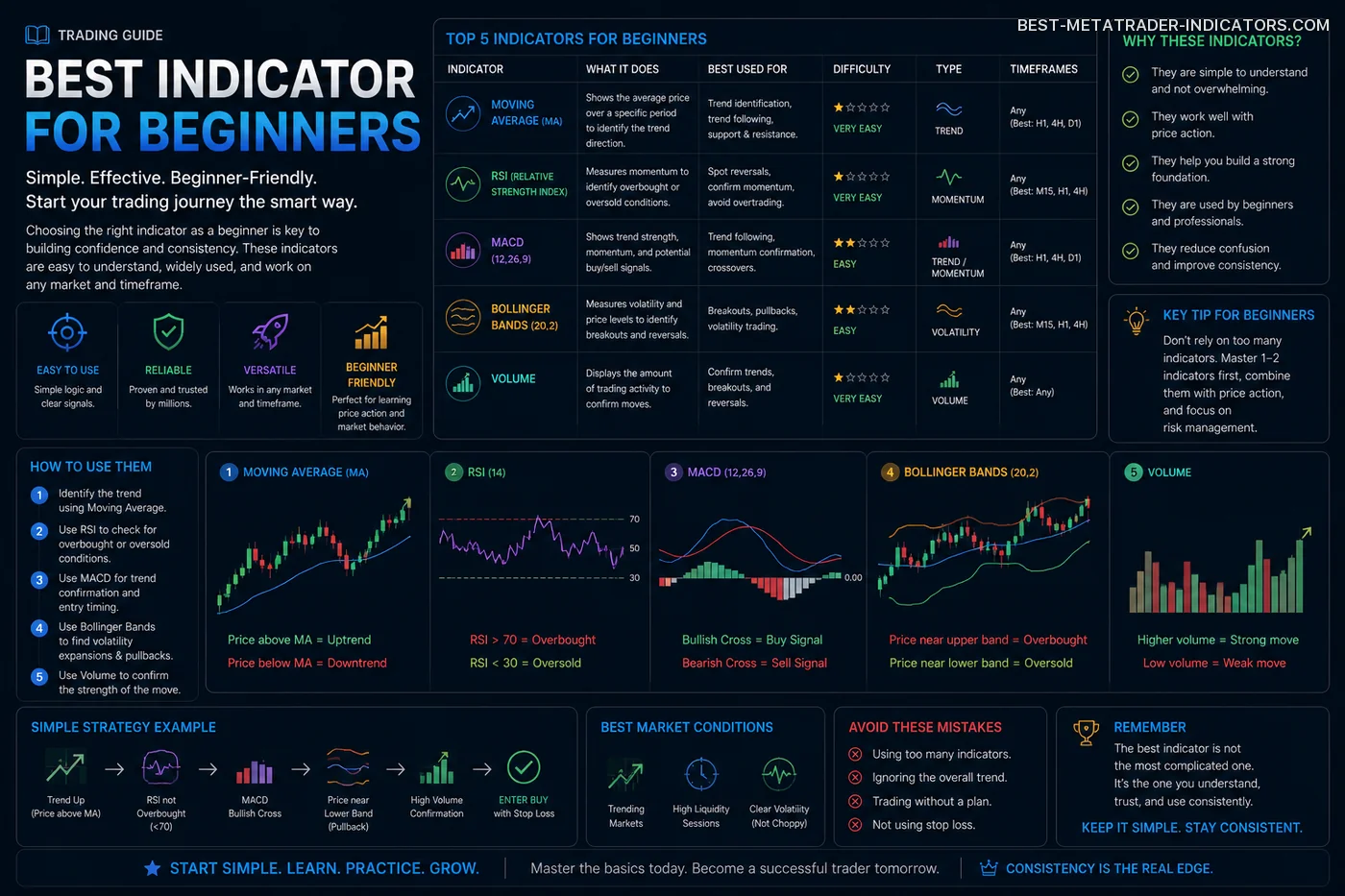
What is the best indicator for beginners in Forex trading? After more than two decades of watching new traders win, struggle, reset, and slowly build discipline, my answer has stayed the same: the best beginner indicator is not the most complicated one. It is the tool that helps you read direction, avoid impulsive entries, and repeat the same trading process without second-guessing every candle.
For most beginners, the strongest starting point is the Moving Average, especially the 20 EMA and 50 EMA. Once you can read trend direction with moving averages, you can add one momentum tool such as the RSI and one price-structure framework such as support and resistance.
📌 Why Beginners Should Start With Simple Indicators
Many new Forex traders assume that experienced traders rely on secret indicators, hidden formulas, or overloaded dashboards. In real trading, the opposite is often true. Professional traders usually want clean charts, simple rules, and tight control over risk. A useful indicator should help you answer one of three practical questions:
- Direction: Is the market trending up, trending down, or moving sideways?
- Timing: Is the current entry too early, too late, or reasonable?
- Risk: Where is the invalidation point if the trade idea is wrong?
Trader’s note: Indicators do not predict the future. They organize price information so you can make calmer, more disciplined decisions. The goal is not to be right on every trade. The goal is to control risk while following a repeatable edge.
🏆 The Best Indicator for Beginners: Moving Average
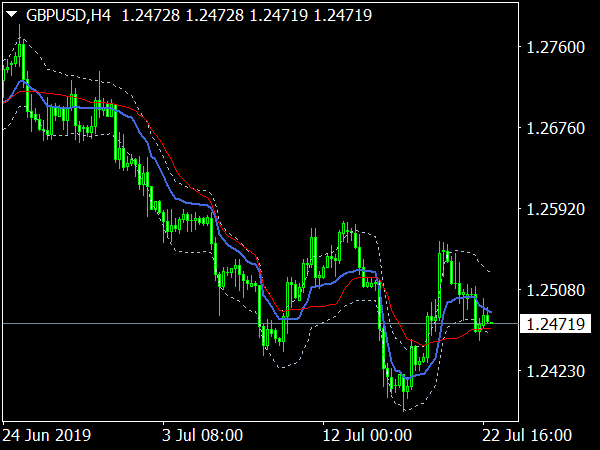
The Moving Average is often the best indicator for beginners because it is visual, flexible, and easy to understand. It smooths price action and helps traders identify the general market direction without reacting emotionally to every candle.
20 EMA
The 20-period Exponential Moving Average reacts quickly to price movement. It is useful for short-term trend direction, pullbacks, and dynamic support or resistance.
50 EMA
The 50-period Exponential Moving Average gives a smoother view of the trend. Many traders use it to separate strong trends from weak, choppy, or indecisive markets.
200 EMA
The 200-period Moving Average is popular for identifying the broader trend. If price is above it, buyers may have the advantage; if price is below it, sellers may be in control.
📊 Moving Average vs RSI vs MACD: Beginner Comparison
This comparison shows how beginner traders can use common MetaTrader-compatible indicators without overcrowding the chart.
| Indicator | Best Use | Beginner Difficulty | Main Advantage | Main Risk | Rating |
|---|---|---|---|---|---|
| Moving Average20 EMA, 50 EMA, 200 EMA | Trend direction and pullbacks | Easy | Clear visual structure | Can lag behind price | ★★★★★ |
| RSIRelative Strength Index | Momentum and overbought or oversold zones | Easy to medium | Helps avoid weak entries | Can stay extreme in strong trends | ★★★★☆ |
| MACDTrend and momentum | Momentum shifts and trend confirmation | Medium | Combines trend and momentum | Late signals in fast markets | ★★★☆☆ |
| Bollinger BandsVolatility indicator | Volatility expansion and mean reversion | Medium | Shows changing market conditions | Misleading in strong breakouts | ★★★☆☆ |
🧠 The Beginner Indicator Stack I Recommend
A beginner does not need ten indicators. A clean three-part setup is enough:
- 20 EMA: short-term trend and pullback guide.
- 50 EMA: medium-term trend filter.
- RSI: momentum confirmation and entry discipline.
Simple rule: If price is above the 20 EMA and 50 EMA, look mainly for buying opportunities. If price is below both, look mainly for selling opportunities. If price keeps crossing back and forth through both averages, the market may be too messy for a beginner setup.
⚙️ Beginner Strategy: 20 EMA and 50 EMA Pullback Setup
This is one of the simplest Forex strategies for beginners because it focuses on trading with the trend instead of trying to catch every reversal.
Bullish Setup
- Price is above the 50 EMA.
- The 20 EMA is above the 50 EMA.
- Price pulls back toward the 20 EMA or 50 EMA.
- A bullish candle forms near the moving average.
- Stop-loss goes below the recent swing low.
Bearish Setup
- Price is below the 50 EMA.
- The 20 EMA is below the 50 EMA.
- Price pulls back toward the 20 EMA or 50 EMA.
- A bearish candle forms near the moving average.
- Stop-loss goes above the recent swing high.
📈 Example Trading Plan for Beginners
| Step | Question | Action |
|---|---|---|
| 1 | What is the trend? | Check whether price is above or below the 50 EMA. |
| 2 | Is the market clean? | Avoid trading if price is constantly crossing the moving averages. |
| 3 | Is there a pullback? | Wait for price to return toward the 20 EMA or 50 EMA. |
| 4 | Is momentum aligned? | Use RSI as confirmation, not as a standalone signal. |
| 5 | Where is the risk? | Place the stop-loss beyond the recent swing high or swing low. |
| 6 | Is the reward worth it? | Look for at least a 1:1.5 or 1:2 risk-to-reward ratio. |
🛡️ Risk Management Rules Beginners Must Follow
The best indicator will not save a trader who risks too much. Risk management is the real foundation of long-term trading.
- Risk only a small percentage of your account per trade.
- Never move your stop-loss farther away because of hope.
- Do not enter a trade just because an indicator gives a signal.
- Avoid trading when spreads widen or price becomes erratic unless your strategy is built for that volatility.
- Keep a trading journal with screenshots, entry notes, exit notes, and emotional observations.
Important warning: Many beginners lose money not because their indicator is bad, but because they overtrade, increase lot size too quickly, or ignore stop-loss rules. A simple indicator used with discipline is stronger than a complex system without risk control.
✅ Beginner Checklist Before Every Trade
Chart Checklist
- Is the trend clear?
- Is price above or below the 50 EMA?
- Is the market trending or ranging?
- Is there nearby support or resistance?
- Is the entry too far from the moving average?
Trade Checklist
- Do I know my stop-loss before entry?
- Is the reward larger than the risk?
- Am I following my plan or chasing price?
- Are spreads and volatility acceptable for this setup?
- Can I accept this loss emotionally?
💡 Practical Tips From 20+ Years of Trading
Less Is Better
Two or three indicators are enough. Too many tools create conflicting signals and slow down decision-making when price is moving.
Trade the Cleanest Pair
Do not force a setup on EUR/USD if GBP/USD or USD/JPY has cleaner structure. Beginners should follow clarity, not attachment to one chart.
Avoid the Middle
The worst entries often happen in the middle of a range. Wait for structure, pullback, and confirmation before taking risk.
📉 Common Mistakes With Indicators
Indicators can help beginners, but they can also create bad habits when used incorrectly. Watch out for these mistakes:
- Indicator hopping: changing tools after every losing trade.
- Late entries: entering after price has already moved too far.
- Ignoring market structure: using indicators without support, resistance, or trend context.
- Over-optimization: searching for perfect settings instead of building discipline.
- No journal: repeating mistakes because there is no review process.
🧩 Best Timeframes for Beginner Indicator Trading
Beginners often start on very small timeframes because they want quick results. The problem is that lower timeframes contain more noise, faster decisions, and more emotional pressure.
| Timeframe | Beginner Suitability | Why |
|---|---|---|
| 1 Minute | Low | Too much noise and very fast decision-making. |
| 5 Minutes | Medium | Possible, but still emotionally demanding. |
| 15 Minutes | Good | Balanced for intraday beginners with clear rules. |
| 1 Hour | Very Good | Cleaner structure and fewer false signals. |
| 4 Hours | Excellent | Great for calm analysis and swing trading. |
❓ FAQs About the Best Indicator for Beginners
What is the easiest Forex indicator for beginners?
The moving average is usually the easiest because it shows trend direction visually and works on almost every trading platform.
Is RSI good for beginner traders?
Yes, RSI can be useful when combined with trend direction. It should not be used alone as a buy or sell signal.
Which moving average setting is best?
The 20 EMA, 50 EMA, and 200 EMA are popular settings. Beginners can start with the 20 EMA and 50 EMA to keep the chart simple.
Can indicators make trading profitable?
Indicators can support better decisions, but profitability depends on strategy, risk management, psychology, and consistent execution.
Should beginners use paid indicators?
Not at the beginning. Free indicators like moving averages and RSI are enough to learn market structure and discipline.
How many indicators should a beginner use?
One to three indicators are enough. More indicators often lead to confusion, hesitation, and analysis paralysis.
🏁 Final Thoughts: The Best Indicator Is the One You Can Follow
The best indicator for beginners is the Moving Average, especially when combined with basic price structure, RSI confirmation, and strict risk management. It is simple, visual, and practical. Most importantly, it teaches beginners to trade with the market instead of fighting it.
Start with a clean chart, test one setup, journal every trade, and focus on execution. In Forex trading, consistency beats complexity. A beginner who follows a simple system with discipline is already ahead of the trader who keeps searching for the perfect indicator.
Educational disclaimer: This article is for educational purposes only and does not constitute financial advice. Forex trading involves risk, and past performance does not guarantee future results.