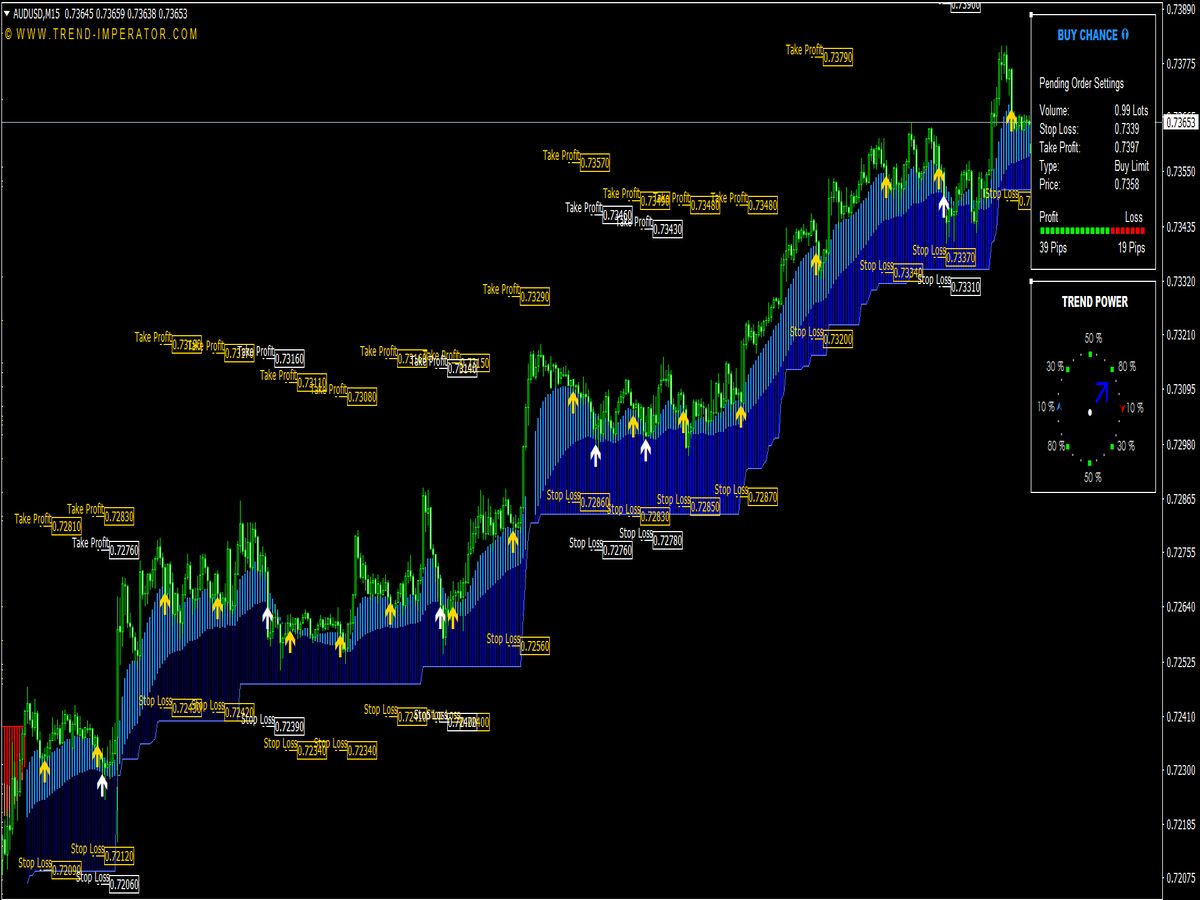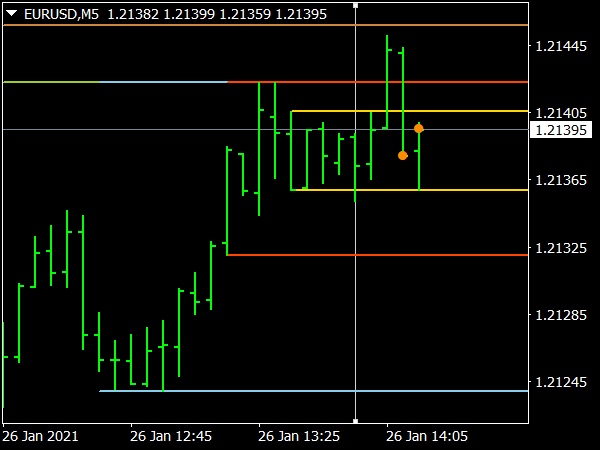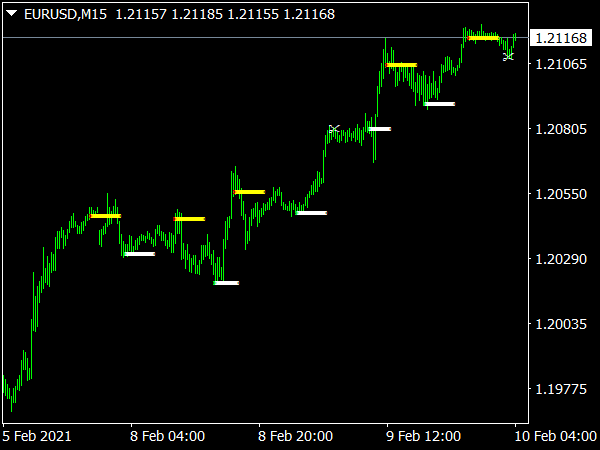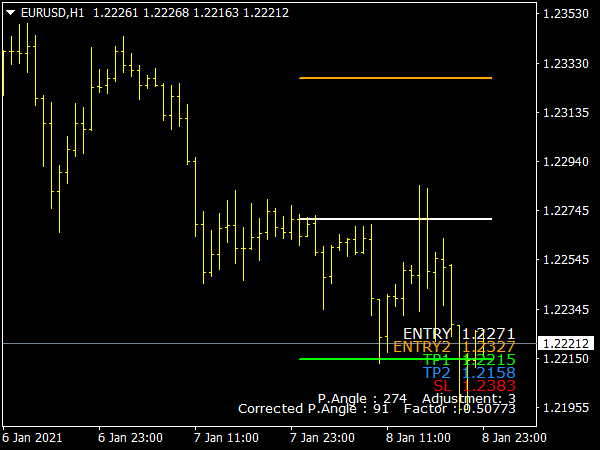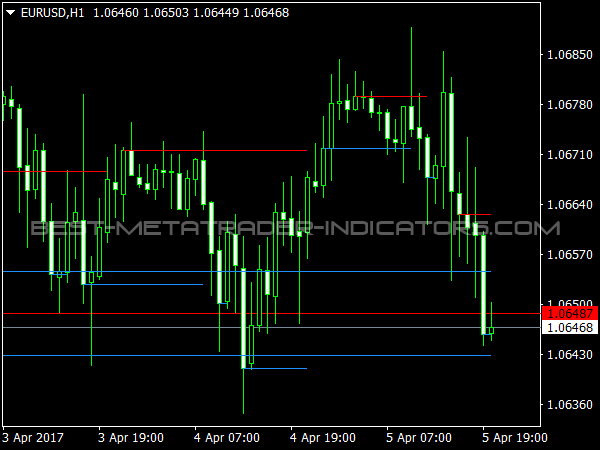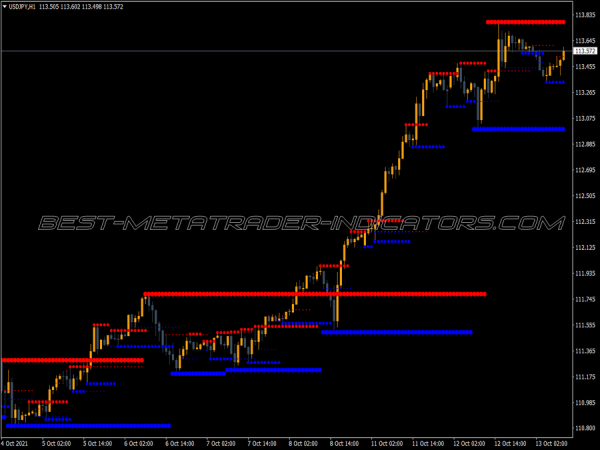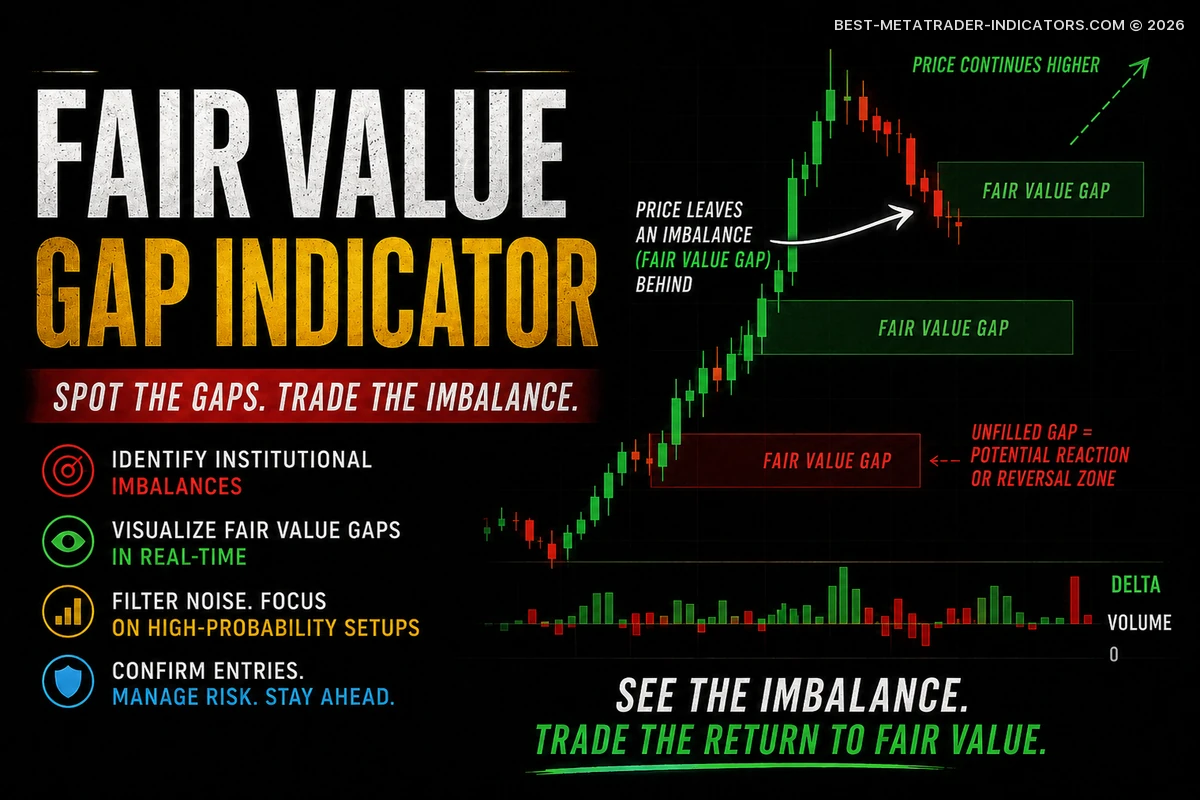
A Fair Value Gap indicator is a practical trading tool that highlights price imbalances directly on the chart. In Forex trading, these imbalances often appear when price moves with strong momentum and leaves behind an inefficient area where very little balanced two-sided trading took place.
Many professional traders use Fair Value Gaps, often called FVGs, to identify potential retracement zones, continuation setups, liquidity reactions, and high-probability entry areas. The edge is not in trading every gap blindly. The real work is in combining the indicator with market structure, trend direction, liquidity, session behavior, stop loss placement, take profit planning, and emotional discipline.
📌 What Is a Fair Value Gap?
A Fair Value Gap is a three-candle price imbalance. In simple terms, it forms when the market moves so strongly in one direction that the first and third candles do not fully overlap, leaving an open price area between them.
This gap is not the same as a weekend gap or a broker price gap. It is an imbalance inside normal candle movement, often created by aggressive order flow, strong momentum, stop runs, or a fast shift in short-term market positioning.
📝 Simple FVG Definition
A bullish Fair Value Gap appears when strong buying pressure creates an imbalance between the high of candle one and the low of candle three. A bearish Fair Value Gap appears when strong selling pressure creates an imbalance between the low of candle one and the high of candle three.
🔍 How a Fair Value Gap Indicator Works
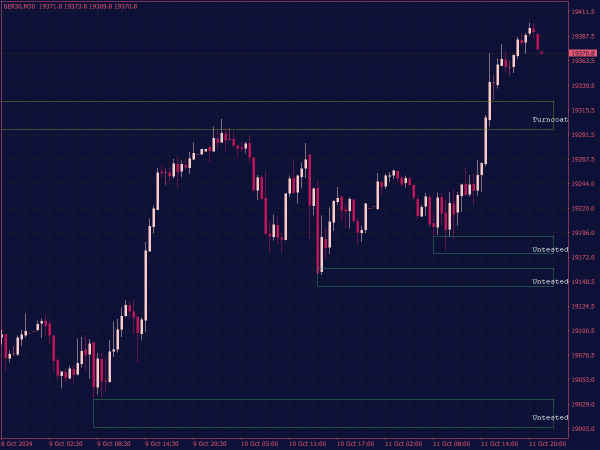
A Fair Value Gap indicator scans the chart automatically and marks imbalance zones. Instead of manually checking every three-candle sequence, the indicator highlights potential FVG areas with rectangles, zones, or color-coded boxes, which makes analysis faster and cleaner on MetaTrader charts.
⚡ Detection
The indicator identifies bullish and bearish imbalance zones based on candle structure and price displacement.
🎯 Visualization
It displays FVG zones directly on the chart so traders can quickly spot possible reaction areas without forcing the analysis.
🧭 Filtering
Advanced versions may filter gaps by size, timeframe, trend direction, volatility, or trading session to reduce unnecessary chart noise.
📈 Bullish vs Bearish Fair Value Gaps
| FVG Type | Market Meaning | Typical Trader Idea |
|---|---|---|
| Bullish FVG | Buy-side imbalance created by strong upward movement. | Look for price to retrace into the gap before a possible continuation higher. |
| Bearish FVG | Sell-side imbalance created by strong downward movement. | Look for price to retrace into the gap before a possible continuation lower. |
| Filled FVG | Price has returned into the imbalance zone. | Watch for rejection, continuation, or invalidation depending on the surrounding structure. |
| Unfilled FVG | The imbalance remains open. | Mark it as a possible future magnet, reaction zone, or trade management reference. |
🧠 Why Fair Value Gaps Matter in Forex Trading
Forex markets move through liquidity, order flow, and market structure. When price accelerates quickly, it can leave behind inefficient areas. Many traders watch these areas because price often returns to rebalance the move before continuing, rejecting, or building a new structure.
- They reveal imbalance: FVGs show areas where one side of the market clearly dominated.
- They create potential entry zones: Traders often wait for price to retrace into the gap instead of chasing the first move.
- They improve trade planning: FVGs can help define entries, stop loss zones, partial exits, and take profit targets.
- They support confluence: FVGs become stronger when aligned with trend, liquidity, market structure, and key technical levels.
- They reduce emotional trading: Pre-marked zones help traders wait for price instead of reacting impulsively to every candle.
⚠️ Important Risk Note
A Fair Value Gap is not a guaranteed reversal or continuation signal. It is a zone of interest. Always confirm the setup with market structure, liquidity context, price reaction, and proper risk management before entering a trade.
🛠️ Best Settings for a Fair Value Gap Indicator
The best settings depend on the trader’s style. Scalpers may prefer smaller gaps on lower timeframes, while swing traders usually focus on larger, cleaner gaps from higher timeframes where structure carries more weight.
| Trader Type | Suggested Timeframes | FVG Preference | Main Focus |
|---|---|---|---|
| Scalper | M1, M5, M15 | Fresh intraday gaps | Fast reactions during active London or New York price movement |
| Day Trader | M15, M30, H1 | Clean gaps near liquidity zones | Session bias, structure shifts, and intraday take profit targets |
| Swing Trader | H4, Daily | Large higher-timeframe gaps | Major trend continuation or deeper retracement zones |
| Position Trader | Daily, Weekly | Large structural imbalances | Longer-term market structure, wider liquidity pools, and patient trade management |
🚀 Fair Value Gap Trading Strategy
One of the most practical ways to trade Fair Value Gaps is to use them as pullback zones inside a confirmed trend. The idea is simple: identify direction, wait for displacement, mark the gap, and then wait for price to return on your terms.
✅ Trend Continuation Strategy
- Identify the higher-timeframe trend direction.
- Wait for strong displacement in the direction of the trend.
- Let the Fair Value Gap indicator mark the imbalance zone.
- Wait patiently for price to retrace into the FVG.
- Look for confirmation such as rejection candles, a lower-timeframe structure shift, or a liquidity sweep.
- Place the stop loss beyond the invalidation point, not randomly inside the zone.
- Target previous highs or lows, liquidity pools, or the next premium or discount area.
💡 Practical FVG Entry Ideas
🎯 50% FVG Entry
Some traders enter near the midpoint of the Fair Value Gap. This can improve risk-to-reward, but price may not always retrace that deeply before continuing.
🧱 Full Gap Retest
Other traders wait for price to enter the full zone and show rejection. This is slower, but it may reduce impulsive entries and weak trade decisions.
🔄 Structure Shift Entry
After price returns to the FVG, wait for a lower-timeframe break of structure before entering in the intended direction.
💧 Liquidity Sweep Entry
Price first sweeps a previous high or low, then reacts from the FVG. This often creates a cleaner confirmation setup with a more logical invalidation point.
📊 Fair Value Gap vs Support and Resistance
Fair Value Gaps and support and resistance levels can both be useful, but they are not the same. FVGs focus on imbalance and inefficient movement, while support and resistance focus on historical reaction levels.
| Feature | Fair Value Gap | Support & Resistance |
|---|---|---|
| Main ConceptWhat the tool is based on | Price imbalance and inefficient movement | Repeated historical reaction zones |
| Best UseWhere it helps most | Pullbacks, continuation trades, liquidity reactions | Key levels, reversals, range boundaries |
| TimingHow traders use it | Often used after strong displacement | Often marked before price arrives |
| WeaknessCommon problem | Too many gaps can appear on lower timeframes | Levels can be subjective, too wide, or poorly defined |
🧩 Confluence: How to Improve FVG Accuracy
The best Fair Value Gap trades usually appear when multiple factors align. A gap alone is not enough. Professional traders look for context before risking capital, because context is what separates a clean setup from a random box on the chart.
- Trend direction: Trade bullish FVGs in bullish structure and bearish FVGs in bearish structure.
- Higher-timeframe bias: Give more weight to FVGs that align with H1, H4, or daily direction.
- Liquidity: Watch for stops above highs or below lows before price reacts from the gap.
- Session timing: London and New York sessions often provide cleaner volatility and stronger technical reactions.
- Premium and discount: Buying in discount and selling in premium may improve trade location.
- Chart discipline: Avoid entering blindly when price is extended, messy, or sitting far from a logical invalidation level.
✅ Professional Tip
Focus on clean, obvious Fair Value Gaps that form after strong displacement. If you have to zoom in too much or force the setup, it is probably not a high-quality trading zone.
🧾 Fair Value Gap Trading Checklist
Before entering a trade based on a Fair Value Gap indicator, use this checklist to stay disciplined and avoid turning every marked zone into a trade idea.
✅ Pre-Trade Checklist
- Is the higher-timeframe trend clear?
- Did price create strong displacement?
- Is the FVG fresh and not already fully mitigated?
- Is the gap located near a logical liquidity area?
- Does the trade offer at least a reasonable risk-to-reward ratio?
- Is there confirmation before entry?
- Is the stop loss placed beyond a logical invalidation point?
- Is the chart clean enough, or is price action too choppy?
- Is the position size calculated before entry?
- Does the trade fit your written trading plan?
⚠️ Common Mistakes When Trading Fair Value Gaps
❌ Trading Every Gap
Not every imbalance is worth trading. Low-quality gaps in choppy markets often fail or produce weak reactions.
❌ Ignoring Market Structure
A bullish FVG inside bearish structure may only be a temporary pullback, not a true buying opportunity.
❌ Entering Without Confirmation
Price can slice through an FVG without reacting. Confirmation helps reduce weak entries and protects traders from chasing every marked zone.
❌ Poor Risk Management
Even a perfect-looking setup can fail. Risk should be planned before the trade, not after entry when emotions are already involved.
🕒 Best Timeframes for FVG Trading
Fair Value Gaps can appear on all timeframes, but higher-timeframe gaps are usually more meaningful. Lower-timeframe gaps can be useful for precise entries, but they also produce more noise, more false reactions, and more temptation to overtrade.
| Timeframe | Use Case | Pros | Cons |
|---|---|---|---|
| M1-M5 | Scalping entries | Precise entry timing | More noise and false reactions |
| M15-M30 | Intraday setups | Good balance between speed and structure | Requires active monitoring |
| H1-H4 | Day trading and swing trading | Cleaner market structure | Fewer setups |
| Daily | Major bias and swing zones | Strong context and cleaner levels | Requires patience and wider stops |
💰 Risk Management for FVG Setups
Risk management is more important than the indicator itself. A Fair Value Gap can help you find a potential entry zone, but your long-term results depend on position sizing, stop placement, trade selection, take profit discipline, and emotional control.
📏 Risk Rules to Consider
- Risk only a small percentage of your account per trade.
- Place the stop loss beyond a logical invalidation level.
- Avoid increasing lot size after a losing trade.
- Do not enter a trade only because an FVG exists.
- Keep a trading journal with screenshots of each FVG setup.
🧪 Example Trading Plan Using a Fair Value Gap Indicator
📋 Sample Plan
Market: EUR/USD, GBP/USD, XAU/USD, or major Forex pairs with tight spreads.
Bias: Use H1 or H4 structure to define direction.
Setup: Wait for displacement and a fresh FVG in the direction of the bias.
Entry: Enter after price returns to the FVG and confirms with rejection or lower-timeframe structure shift.
Stop Loss: Place beyond the swing high or low, or beyond the gap invalidation area.
Take Profit: Target liquidity, previous highs or lows, or the next major imbalance.
Rule: Skip the trade if risk-to-reward is poor, price action is unclear, or the setup does not match your plan.
📓 Trader Notes: What I Learned After 20+ Years
From experience, the best Fair Value Gap trades are rarely the ones that look exciting immediately after a huge candle. The better opportunities often come after patience: price displaces, creates a clean imbalance, pulls back calmly, sweeps liquidity, and then confirms direction.
The goal is not to predict every move. The goal is to wait for a professional area, define your risk, and only trade when the market gives you enough confirmation.
❓ Fair Value Gap Indicator FAQs
❓ What is the best Fair Value Gap indicator?
The best indicator is one that clearly marks bullish and bearish gaps, allows customization, avoids clutter, and works well with your trading style and MetaTrader platform.
❓ Does a Fair Value Gap always get filled?
No. Many gaps are filled, but some remain open for a long time or never produce a clean reaction. Never build a strategy on the idea that every gap must be filled.
❓ Can beginners use FVG indicators?
Yes, but beginners should first learn market structure, trend direction, liquidity, stop loss placement, and risk management. The indicator should support analysis, not replace it.
❓ Which timeframe is best for Fair Value Gaps?
H1, H4, and daily FVGs are often cleaner for bias and major zones. Lower timeframes such as M5 or M15 can be useful for precise entries.
❓ Is FVG trading profitable?
It can be useful inside a complete trading plan, but no indicator guarantees profit. Results depend on execution, discipline, risk control, and market conditions.
❓ Should I use FVGs with other tools?
Yes. Fair Value Gaps are stronger when combined with market structure, liquidity sweeps, trend analysis, session timing, and clear invalidation levels.
🏁 Final Thoughts
A Fair Value Gap indicator can be a powerful tool for Forex traders who understand imbalance, liquidity, and market structure. It helps identify areas where price may return before continuing in the direction of the dominant order flow.
However, the indicator should never be used as a stand-alone buy or sell signal. The strongest results usually come from combining FVG zones with higher-timeframe bias, liquidity sweeps, confirmation entries, and strict risk management.
If you treat Fair Value Gaps as professional zones of interest rather than guaranteed signals, they can become a valuable part of a structured Forex trading strategy.
Disclaimer: Trading Forex, CFDs, and other leveraged products involves risk and may not be suitable for every trader. This article is for educational purposes only and does not provide financial advice, investment recommendations, or a guarantee of future results. Always trade with a written plan, use responsible position sizing, and never risk capital you cannot afford to lose.