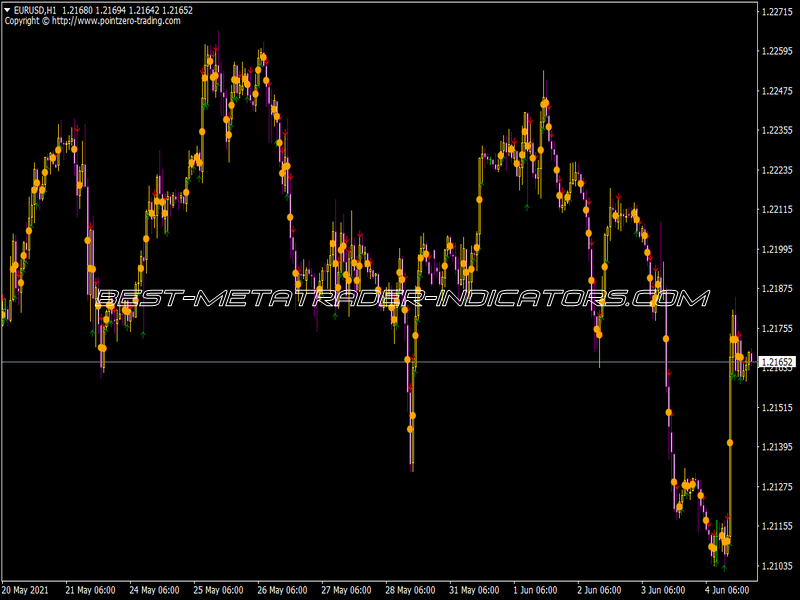
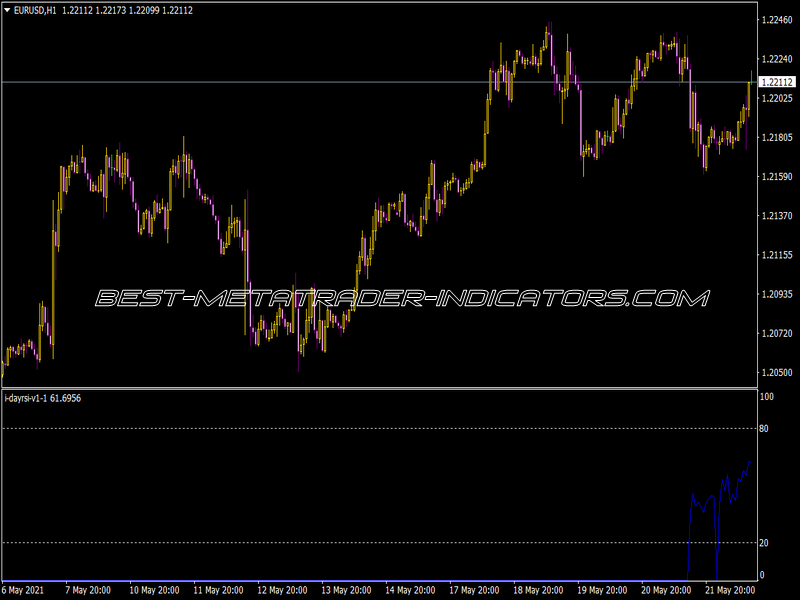
I-Day RSI Indicator
The Exit Strategy That Separates Disciplined Forex Traders from Emotional Ones
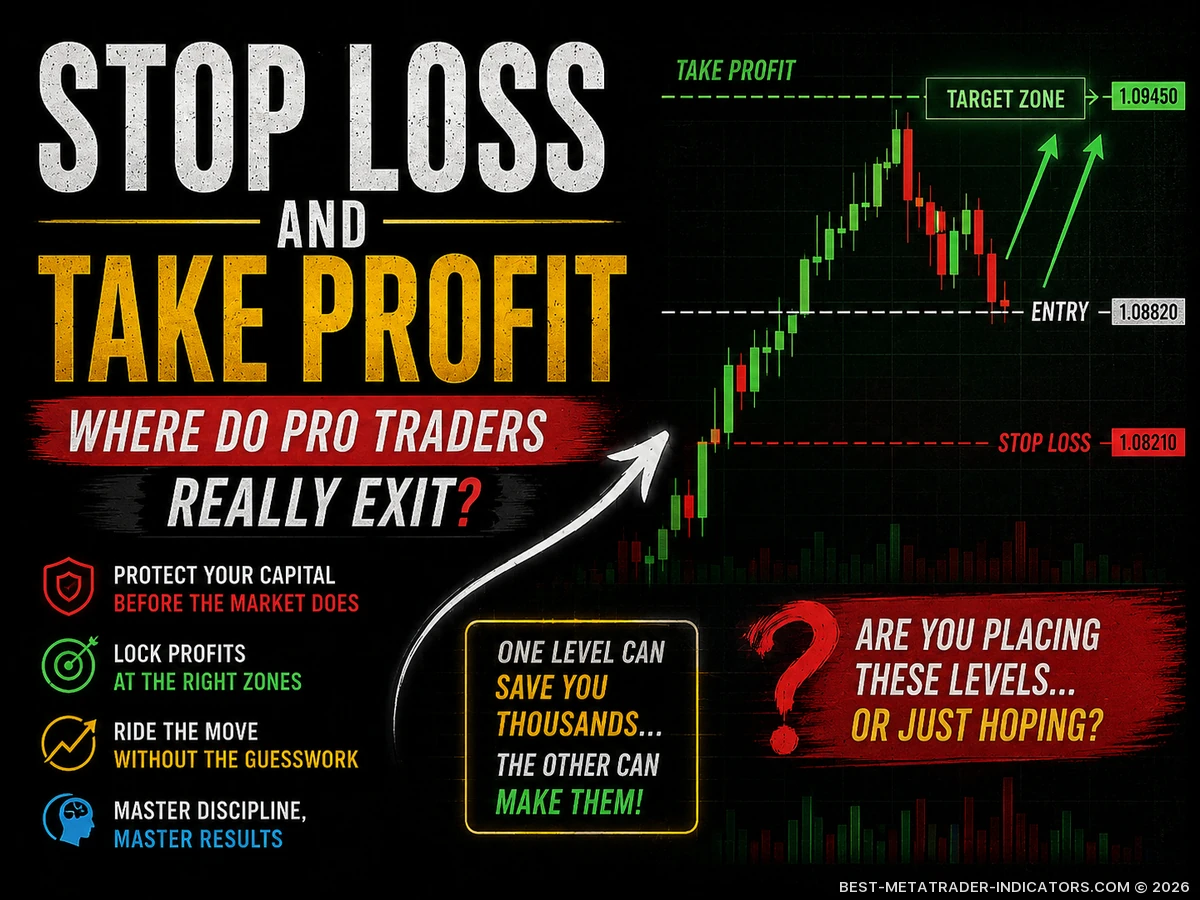
Every Forex trader likes talking about entries. The clean breakout. The patient pullback. The sharp entry after a liquidity sweep. After enough time in live markets, though, one lesson becomes hard to ignore: your entry gets you into the trade, but your exit decides whether you survive long enough to become good.
A Stop Loss and Take Profit plan is where strategy becomes discipline. It turns hope into structure, emotion into rules, and random risk into measurable decision-making. Below, we work through how serious traders think about Stop Loss and Take Profit levels, how they place them, how they avoid common exit mistakes, and how a repeatable Forex exit framework can be built without overcomplicating the trade.
The Best Indicator for Beginners Might Not Be What You Think
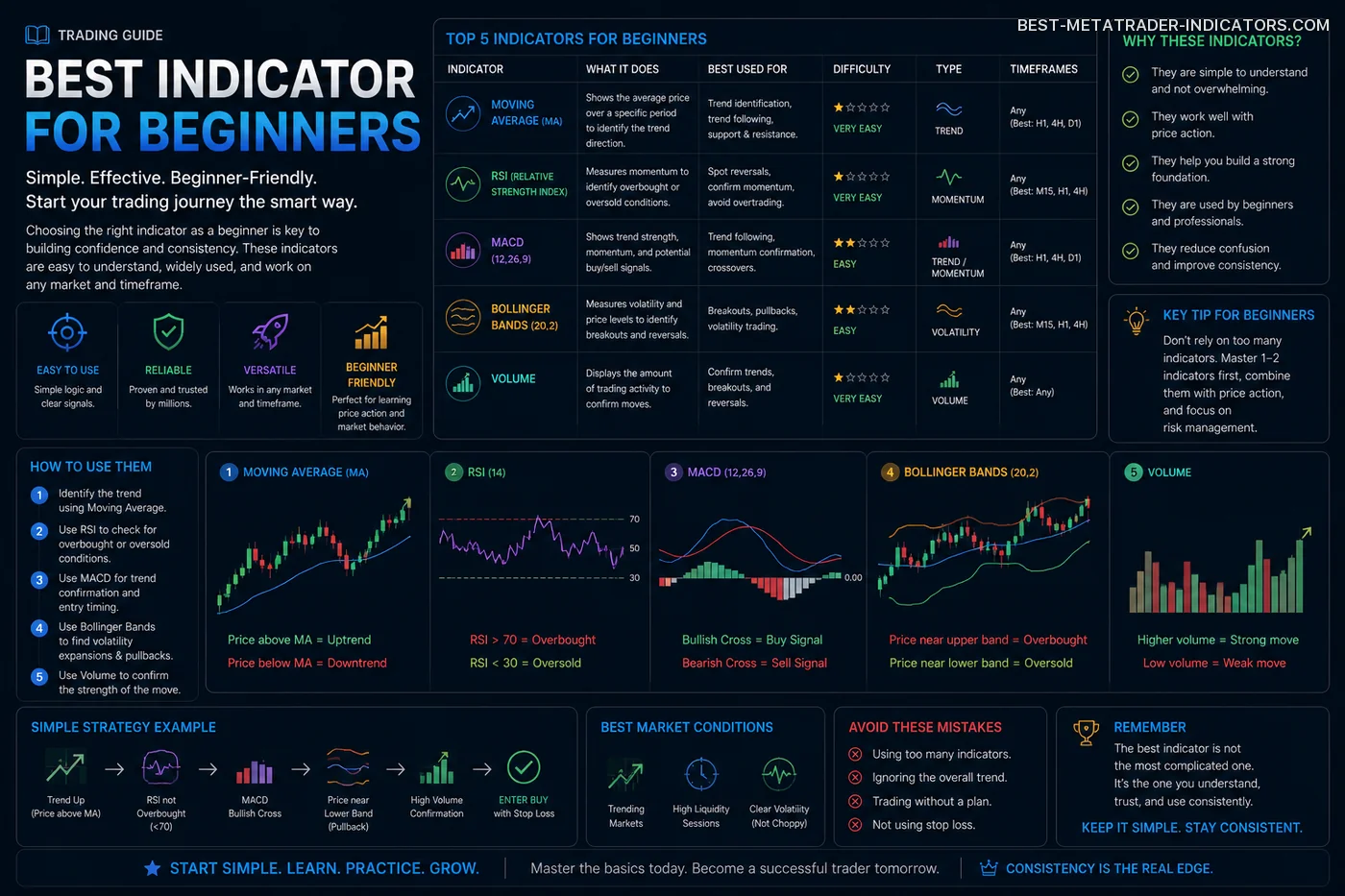
What is the best indicator for beginners in Forex trading? After more than two decades of watching new traders win, struggle, reset, and slowly build discipline, my answer has stayed the same: the best beginner indicator is not the most complicated one. It is the tool that helps you read direction, avoid impulsive entries, and repeat the same trading process without second-guessing every candle.
For most beginners, the strongest starting point is the Moving Average, especially the 20 EMA and 50 EMA. Once you can read trend direction with moving averages, you can add one momentum tool such as the RSI and one price-structure framework such as support and resistance.