The Exit Strategy That Separates Disciplined Forex Traders from Emotional Ones

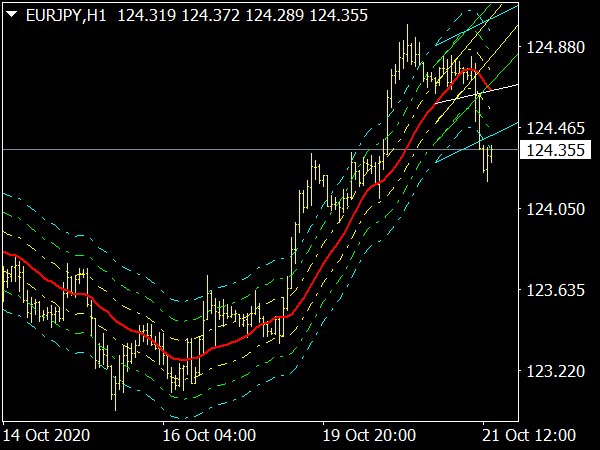
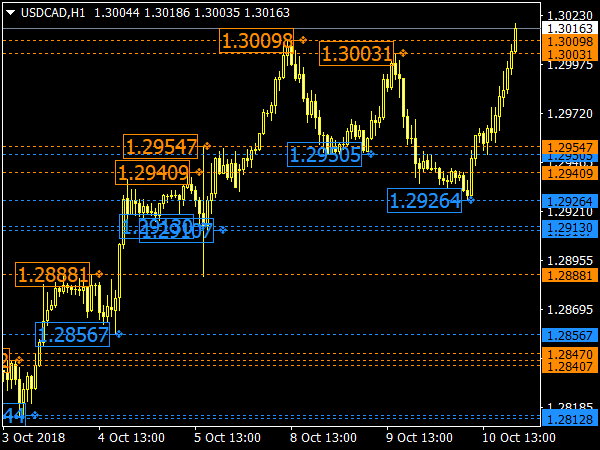
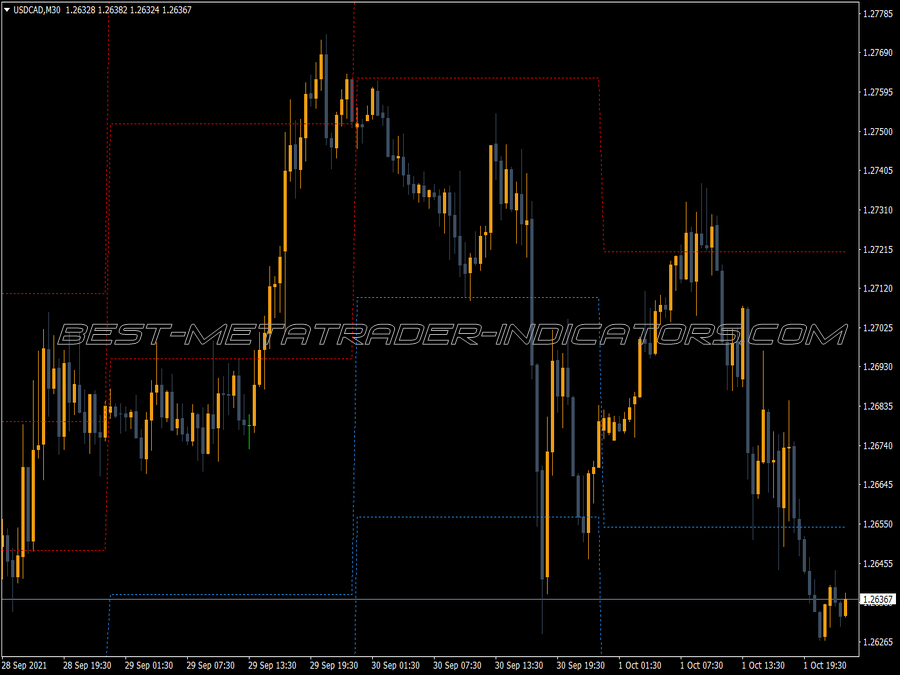
Stop Loss and Take Profit trading chart showing hidden exit zones, price action structure, and smart money trade management
Most traders master entries. Professionals focus on where the trade should really end.

Every Forex trader likes talking about entries. The clean breakout. The patient pullback. The sharp entry after a liquidity sweep. After enough time in live markets, though, one lesson becomes hard to ignore: your entry gets you into the trade, but your exit decides whether you survive long enough to become good.

A Stop Loss and Take Profit plan is where strategy becomes discipline. It turns hope into structure, emotion into rules, and random risk into measurable decision-making. Below, we work through how serious traders think about Stop Loss and Take Profit levels, how they place them, how they avoid common exit mistakes, and how a repeatable Forex exit framework can be built without overcomplicating the trade.

Footprint Indicator: The Hidden Volume Tool Professional Traders Use

Professional Footprint Indicator interface visualizing order flow, delta volume, and institutional trading activity
The chart looks normal… until the footprint exposes who is really in control.

The footprint indicator is one of the most useful order-flow tools available to active traders. A standard candlestick shows the open, high, low, and close. A footprint chart goes deeper by showing how much volume traded at each price level, which side was more aggressive, and where buyers or sellers may have been caught on the wrong side of the move.

For Forex traders, especially those trading major pairs such as EUR/USD, GBP/USD, USD/JPY, XAU/USD, or index CFDs, footprint analysis adds a valuable layer of execution context. It does not predict the next candle on its own, but it can show whether a move is backed by real participation or is running mainly on thin liquidity and short-lived momentum.