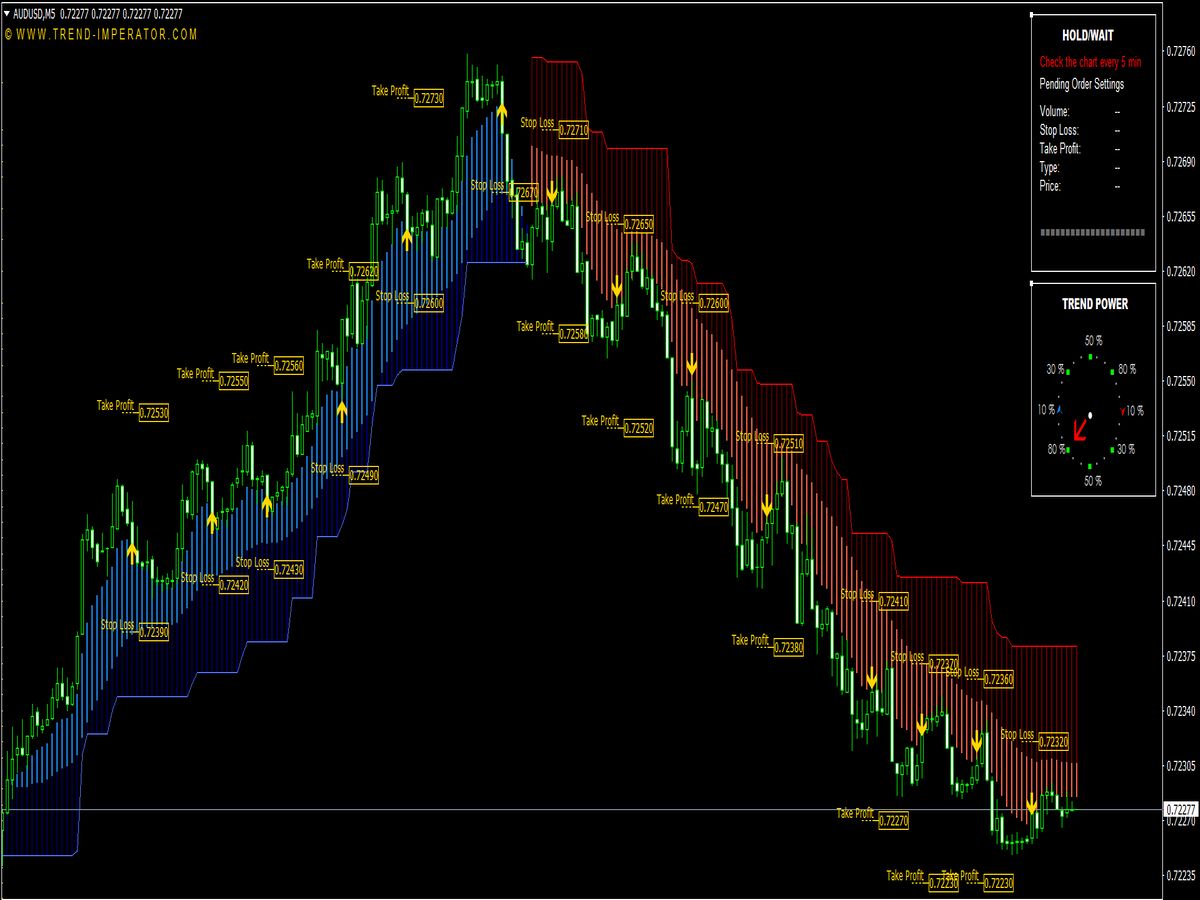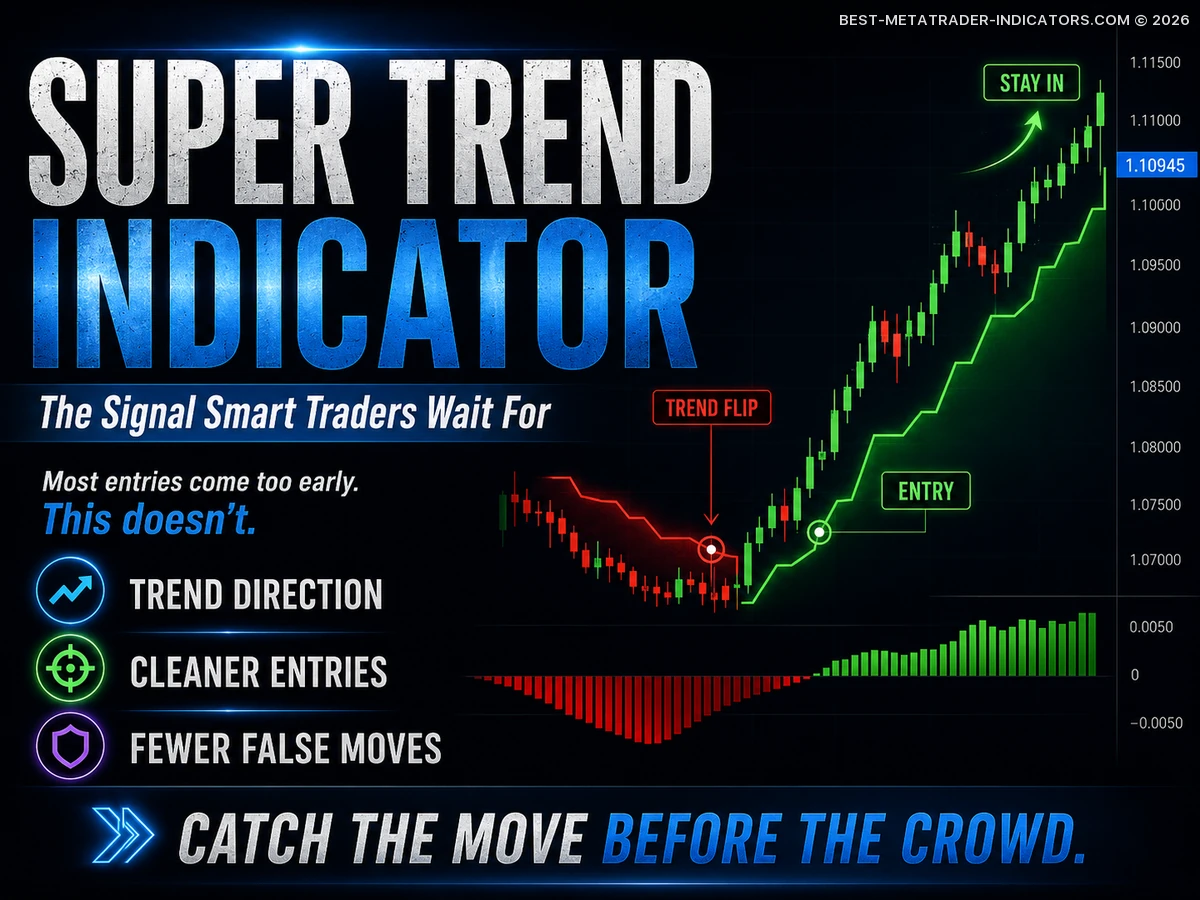
The SuperTrend indicator is popular for one simple reason: it turns market direction into a clean visual signal. In Forex, where noise, false breaks, emotional entries, and over-analysis can quickly distort judgement, SuperTrend gives traders a straightforward framework: trade with the dominant move, respect the line, and avoid forcing positions when price action is unclear.
There is also a professional truth that matters: SuperTrend is not a mechanical buy-and-sell machine. It works best when the trader understands market structure, volatility, session rhythm, risk placement, and confirmation. Used with context, it can become a useful part of a trading plan. Used blindly, it can produce late entries, avoidable whipsaws, and uncomfortable drawdowns.
📌 What Is the SuperTrend Indicator?
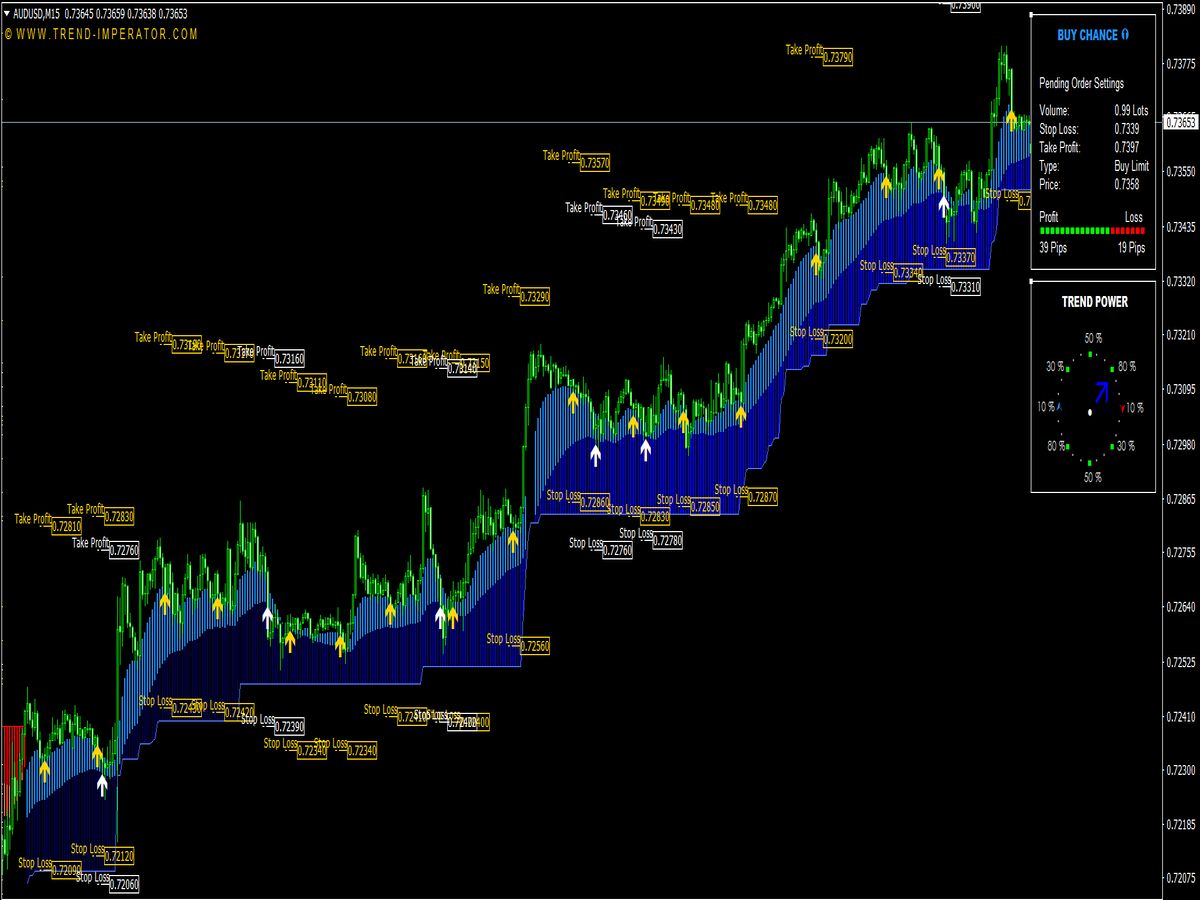
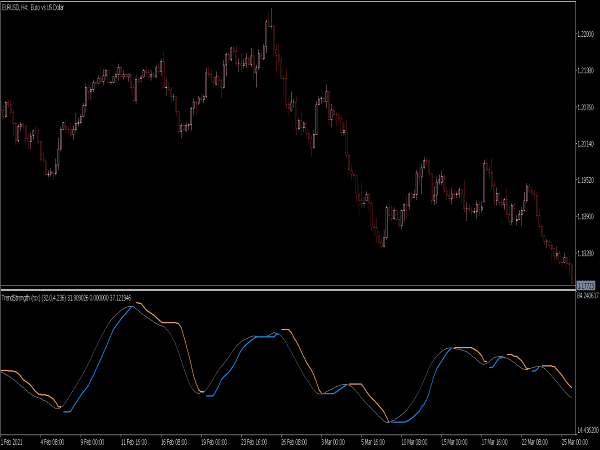
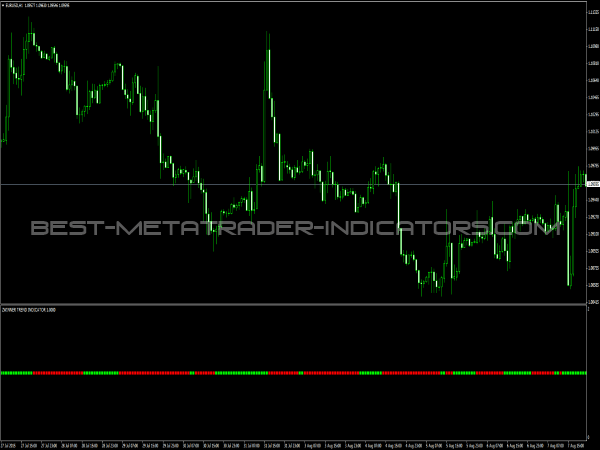
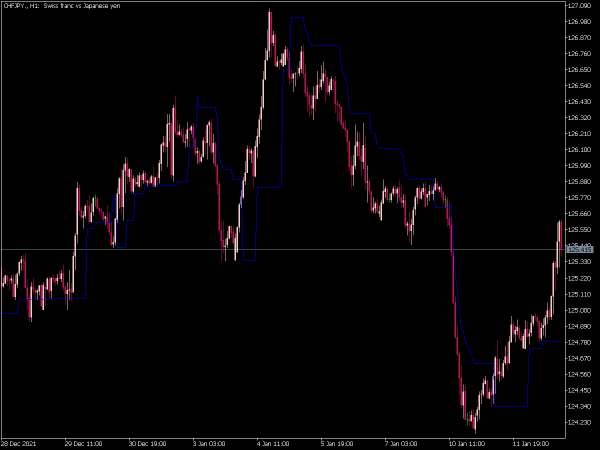
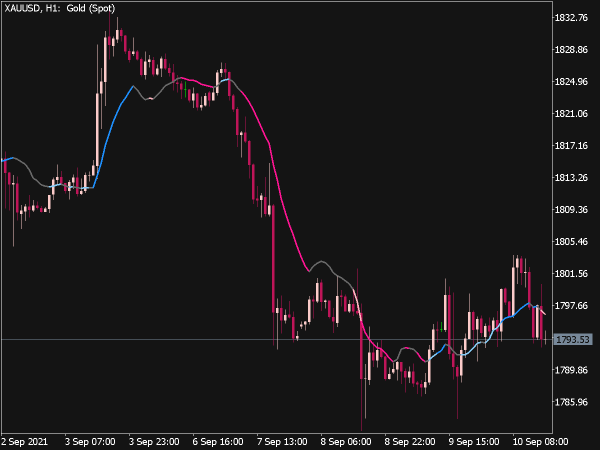
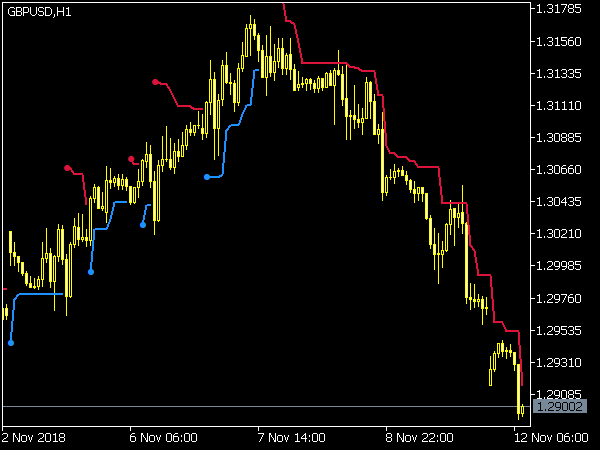
The SuperTrend indicator is a trend-following technical indicator that combines price action with volatility to identify the active market bias. It is normally plotted directly on the chart as a line that shifts above or below price.
- When price is above the SuperTrend line, the market is usually treated as bullish.
- When price is below the SuperTrend line, the market is usually treated as bearish.
- When the line flips from one side of price to the other, traders often read it as a possible change in trend direction.
Trader’s note: SuperTrend is built around volatility. The line expands and contracts as market movement changes, which is why it tends to perform better in clean trends than in slow, sideways ranges where price keeps crossing the same area.
⚙️ How SuperTrend Works
SuperTrend is commonly calculated from two main inputs:
Average True Range
The ATR measures market volatility. When volatility increases, the SuperTrend line is pushed farther away from price. When volatility contracts, the line moves closer and becomes more sensitive to smaller price swings.
Multiplier
The multiplier controls how reactive the indicator becomes. A smaller multiplier reacts faster but may create more false signals. A larger multiplier reacts more slowly but can filter out part of the market noise.
Most trading platforms, including many MetaTrader versions through custom indicators, use default settings such as ATR period 10 and multiplier 3. These defaults can be a practical starting point, but they should not be accepted without testing. A scalper, intraday trader, swing trader, and position trader are not trying to capture the same type of movement, so their SuperTrend settings often need to be different.
🎯 Why Forex Traders Like SuperTrend
Forex traders often struggle with too many indicators, too many conflicting signals, and too much second-guessing. SuperTrend is attractive because it simplifies the first decision: does price currently favor bullish continuation, bearish continuation, or no clean trade at all? Instead of debating every candle, the trader can quickly see where price sits in relation to the SuperTrend line.
Clear Direction
It gives a simple visual reading of bullish or bearish conditions.
Trend Discipline
It helps traders avoid counter-trend trades when momentum is still strong.
Stop Guidance
The SuperTrend line can act as a dynamic reference for trailing Stop Loss decisions.
📊 SuperTrend Settings for Different Forex Styles
| Trading Style | Possible Setting | Best Used On | Main Risk |
|---|---|---|---|
| Scalping | ATR 7–10, Multiplier 1.5–2.5 | M1, M5, M15 | More false flips, spread pressure, and emotional overtrading |
| Intraday Trading | ATR 10–14, Multiplier 2–3 | M15, M30, H1 | Session spikes, sudden volatility, and rushed entries |
| Swing Trading | ATR 10–20, Multiplier 3–4 | H4, Daily | Late entries after an extended move |
| Position Trading | ATR 20+, Multiplier 4+ | Daily, Weekly | Large Stop Loss distances and more patience required |
Practical warning: There is no universal “best SuperTrend setting.” The best setting is the one that fits the pair, timeframe, average volatility, spread, session behavior, and the amount of risk the trader can realistically accept.
🧠 The Professional Way to Read SuperTrend
Beginners often read SuperTrend as a simple buy or sell trigger. Experienced traders read it as a market context tool. That difference changes the quality of the decisions made from the same signal.
- Trend direction: Is price above or below the SuperTrend line?
- Market structure: Is the pair forming higher highs and higher lows, or lower highs and lower lows?
- Volatility quality: Is the move clean and directional, or is price chopping around the line?
- Location: Is the signal appearing near support, resistance, liquidity, or after an exhausted push?
- Risk-to-reward: Is there enough room before the next key level to justify the Stop Loss and Take Profit plan?
When these factors align, SuperTrend becomes much more useful. When they conflict, the better trading decision is often to stay flat and wait for cleaner price action.
🚀 Strategy 1: SuperTrend Trend-Following Pullback
This is one of the cleanest ways to use SuperTrend in Forex. Instead of entering immediately when the indicator flips, the trader waits for a pullback and joins the trend from a better price area.
Setup Rules
- Price must be above the SuperTrend line for long trades or below it for short trades.
- The market should show clear structure in the trade direction.
- Wait for price to pull back toward support, resistance, a moving average, or a previous breakout zone.
- Enter after a confirmation candle, rejection wick, or break of a minor structure level.
- Place the Stop Loss beyond the pullback swing or beyond the SuperTrend line.
This approach reduces the risk of chasing price after a large candle. It also gives the trade more room to breathe because the entry is usually closer to the invalidation level, which can improve the balance between Stop Loss distance and Take Profit potential.
🔄 Strategy 2: SuperTrend Flip with Confirmation
A SuperTrend flip happens when the indicator changes from bearish to bullish or from bullish to bearish. Many traders enter immediately at the flip. That can work during strong trend expansion, but it can be dangerous when price is trapped in a range.
Weak Flip
The indicator flips inside a range, near the middle of consolidation, or after a candle with no convincing body. This type of signal is easy to trap because there is no clean structure behind it.
Strong Flip
The flip appears after a breakout, with momentum, above or below structure, and with enough distance to the next support or resistance zone for a realistic Take Profit target.
An experienced trader usually wants confirmation. This may include a break of market structure, a candle close beyond a key level, visible momentum, or alignment with the higher timeframe trend.
⏱️ Strategy 3: Multi-Timeframe SuperTrend
Multi-timeframe analysis can improve SuperTrend usage dramatically. The idea is simple: use the higher timeframe to define direction, then use the lower timeframe to time entries with better precision.
| Higher Timeframe | Entry Timeframe | Example Use |
|---|---|---|
| Daily | H4 or H1 | Swing trading major Forex pairs |
| H4 | M30 or M15 | Intraday trend continuation setups |
| H1 | M5 or M15 | Short-term scalping with a trend filter |
Example: If EUR/USD is bullish on the H4 SuperTrend, a trader may decide to look only for long setups on the M15 chart. That simple filter can remove many low-quality counter-trend trades before they ever reach the order ticket.
🛡️ Strategy 4: SuperTrend as a Trailing Stop
SuperTrend can also be used as a dynamic trailing Stop Loss. This is especially useful when a trade starts moving strongly in your favor and you want to stay with the trend without closing the position too early.
For long trades, the SuperTrend line below price may act as a trailing stop reference. For short trades, the line above price can serve the same purpose. The key is not to tighten the stop too aggressively. Forex trends often breathe, retrace, and retest before continuing.
Practical tip: You do not need to exit exactly when price touches the SuperTrend line. Some traders wait for a candle close beyond it, while others take partial profit at the first Take Profit area and trail the rest behind the SuperTrend line.
📈 SuperTrend with Other Indicators
SuperTrend works best when combined with tools that answer different technical questions. Avoid stacking five trend indicators that all repeat the same message. A cleaner approach is to combine trend, momentum, structure, and risk logic.
Useful combinations for Forex traders who want confirmation without turning the chart into a cluttered dashboard.
| Combination | What It Adds | Best For | Watch Out For |
|---|---|---|---|
| SuperTrend + Moving AverageTrend filter | Confirms broader direction and reduces random flips. | Intraday and swing trend-following. | Both tools can lag during sharp reversals. |
| SuperTrend + RSIMomentum filter | Helps avoid buying when momentum is weak or exhausted. | Pullback entries and continuation setups. | RSI can remain overbought or oversold in strong trends. |
| SuperTrend + Support/ResistanceMarket location | Shows whether the signal appears at a logical price zone. | Higher-quality entries, exits, and Take Profit planning. | Zones must be drawn consistently, not adjusted after the fact. |
| SuperTrend + ATRRisk sizing | Helps adjust Stop Loss distance and position size to volatility. | Risk management across different pairs and timeframes. | High ATR can make stops too wide for small accounts. |
✅ Advantages of SuperTrend
Simple to Understand
The visual logic is easy to read: price above the line favors bullish conditions, while price below the line favors bearish conditions.
Good Trend Filter
It helps traders stay aligned with the dominant market direction instead of fighting strong momentum.
Useful for Stop Management
The line can provide a structured reference for exits, trailing Stop Loss adjustments, and trade management.
Works Across Markets
It can be used on major pairs, minor pairs, indices, commodities, and crypto CFDs, although settings should be tested separately for each instrument.
⚠️ Disadvantages of SuperTrend
It Can Lag
Like most trend-following indicators, SuperTrend often confirms a move after part of the move has already happened.
It Struggles in Ranges
Sideways markets can create repeated flips, weak entries, and frustrating Stop Loss hits.
It Needs Context
Using it without support, resistance, session behavior, and risk control leaves the trader exposed to poor signals.
Default Settings May Mislead
A setting that behaves well on GBP/JPY H4 may perform poorly on EUR/USD M5 because volatility, spread, and rhythm are different.
🧩 SuperTrend Checklist Before Entering a Trade
Pre-Trade Checklist
- Is the higher timeframe trend aligned with my trade direction?
- Is price clearly above or below the SuperTrend line?
- Is the market trending, or is it trapped in a range?
- Is my entry near a logical pullback, breakout, or retest level?
- Is there enough space to the next support or resistance area?
- Is the Stop Loss placed at a logical invalidation point?
- Is the risk-to-reward ratio acceptable before entering?
- Are there scheduled high-volatility periods that could distort the setup?
- Am I entering because of a plan, not because of fear of missing out?
💡 Professional Tips for Better SuperTrend Trading
- Do not trade every flip. The best trades usually happen when the flip aligns with structure, momentum, and location.
- Avoid the middle of ranges. SuperTrend can become noisy when price has no directional pressure.
- Backtest by pair and timeframe. EUR/USD, GBP/JPY, XAU/USD, and USD/JPY can behave very differently.
- Use session awareness. Active trading sessions often provide cleaner liquidity and more reliable follow-through than quiet market hours.
- Respect spreads. On lower timeframes, spread and slippage can damage an otherwise reasonable setup.
- Control risk first. A good SuperTrend signal with poor position sizing is still a bad trade.
- Journal your setups. Track which signals worked, which failed, and what market conditions were present.
🧪 Common Mistakes Traders Make
- Entering too late: Traders often buy after a large bullish candle or sell after a large bearish candle, right before a normal pullback.
- Ignoring market structure: A SuperTrend flip against a strong support or resistance zone can fail quickly.
- Changing settings after losses: Constantly adjusting settings to fit the last losing trade creates curve-fitting.
- No Stop Loss: SuperTrend is not protection. Price can move sharply through the line during volatility or thin liquidity.
- Overtrading: More signals do not mean more profit. Quality matters more than frequency.
📉 Example Trade Logic
Imagine GBP/USD is bullish on the H4 chart. Price is above the SuperTrend line, and the market is forming higher highs and higher lows. On the M30 chart, price pulls back into a previous breakout area and rejects it with a strong bullish candle. The SuperTrend remains bullish on H4 and flips bullish again on M30.
A trader could enter after confirmation, place a Stop Loss below the pullback low, and target the next resistance level as the first Take Profit area. If price moves in favor, part of the position could be closed at the first target while the rest is trailed using the SuperTrend line.
Key lesson: The indicator does not create the trade alone. The trade becomes stronger because trend, structure, pullback, confirmation, Stop Loss placement, and Take Profit planning all support the same idea.
🧭 Best Market Conditions for SuperTrend
| Market Condition | SuperTrend Quality | Trading Approach |
|---|---|---|
| Strong trend | High | Use pullbacks, continuation entries, and trailing stops. |
| Slow trend | Medium | Use wider stops, more selective entries, and realistic targets. |
| Sideways range | Low | Avoid random flips or combine signals with range boundaries. |
| Sudden volatility burst | Unstable | Reduce risk, wait for structure, or avoid entering until price settles. |
❓ SuperTrend FAQ
Is SuperTrend good for Forex trading?
Yes, it can be useful for Forex trading, especially in trending markets. It should still be combined with structure, volatility, Stop Loss planning, and disciplined risk management.
What is the best SuperTrend setting?
There is no single best setting. Many traders start with ATR 10 and multiplier 3, then test variations based on timeframe, pair behavior, spread, and their own trade management style.
Does SuperTrend repaint?
On most standard platforms, including typical MetaTrader custom versions, SuperTrend does not repaint closed candles. The current live candle can still change before it closes, so confirmation remains useful.
Can SuperTrend be used for scalping?
Yes, but scalpers must be careful with spread, slippage, low liquidity, and false flips. Lower timeframes require tighter rules and faster decision-making.
Should I use SuperTrend alone?
It is better not to. Use it as one part of a complete system that includes trend context, entries, exits, Stop Loss rules, Take Profit planning, and position sizing.
Which pairs work best with SuperTrend?
Pairs that trend cleanly tend to work better. Major pairs and liquid crosses are usually easier to test than exotic pairs with wider spreads and less stable intraday movement.
🏁 Final Thoughts
SuperTrend is a useful indicator when it is used with patience and context. Its biggest strength is simplicity. It helps traders define direction, manage trades, and reduce emotional decision-making. Its biggest weakness is just as clear: it can fail badly in sideways markets if every flip is treated as a guaranteed signal.
The goal is not to make SuperTrend predict the future. The goal is to use it as a structured decision tool. Combine it with market structure, higher timeframe bias, volatility awareness, support and resistance, Stop Loss discipline, Take Profit logic, and controlled position sizing. That is where the indicator becomes valuable.
In professional trading, the indicator is never the edge by itself. The edge comes from how you use it, when you use it, and when you choose not to trade.
Risk disclaimer: Trading Forex and CFDs involves risk and may not be suitable for every trader. Technical indicators, including SuperTrend, do not guarantee profitable results. Always use a defined Stop Loss, plan Take Profit levels before entry, manage position size carefully, and trade only with risk you can afford to lose.